Alene Gnyp Mortgage Specialist
Nashville, TN
bridgecommercial
- Trust Label
- Verified Business
- Reviews
- 3.5 composite
- States
- CA, GA, ID, TN
- Close Time
- Ask lender
Nashville, TN
Nashville, TN
Nashville, TN
Nashville, TN
Nashville, TN
Nashville, TN
Nashville, TN
Nashville, TN
Nashville, TN
Nashville, TN
Nashville, TN
Nashville, TN
Nashville, TN
Nashville, TN
HardMoneySearch.com is an informational directory. We are not a lender. Listings do not constitute endorsements. Verify all lender credentials via NMLS Consumer Access before entering any loan agreement.
Nashville's hard money lending market reflects the city's diverse investment opportunities and regulatory complexity. Unlike suburban markets where zoning rarely affects financing, Metro Nashville's district-specific ADU rules require lenders to evaluate both property value and development eligibility before approving construction or renovation loans.
Investment neighborhoods present distinct contexts that demand local expertise. East Nashville attracts fix-and-flip investors pursuing gentrification opportunities. The Nations draws value-add seekers targeting emerging areas. Downtown and SoBro command premium rental rates compared to Germantown or Wedgewood-Houston.
These variations influence how lenders assess after-repair values, rental projections, and exit strategies. Tennessee's business-purpose lending landscape includes regional private lenders and national companies expanding statewide. Investors typically need hard money for competitive purchase timing, renovation budgets conventional lenders won't fund, or DSCR-based rental property deals where personal income doesn't support traditional qualification methods.
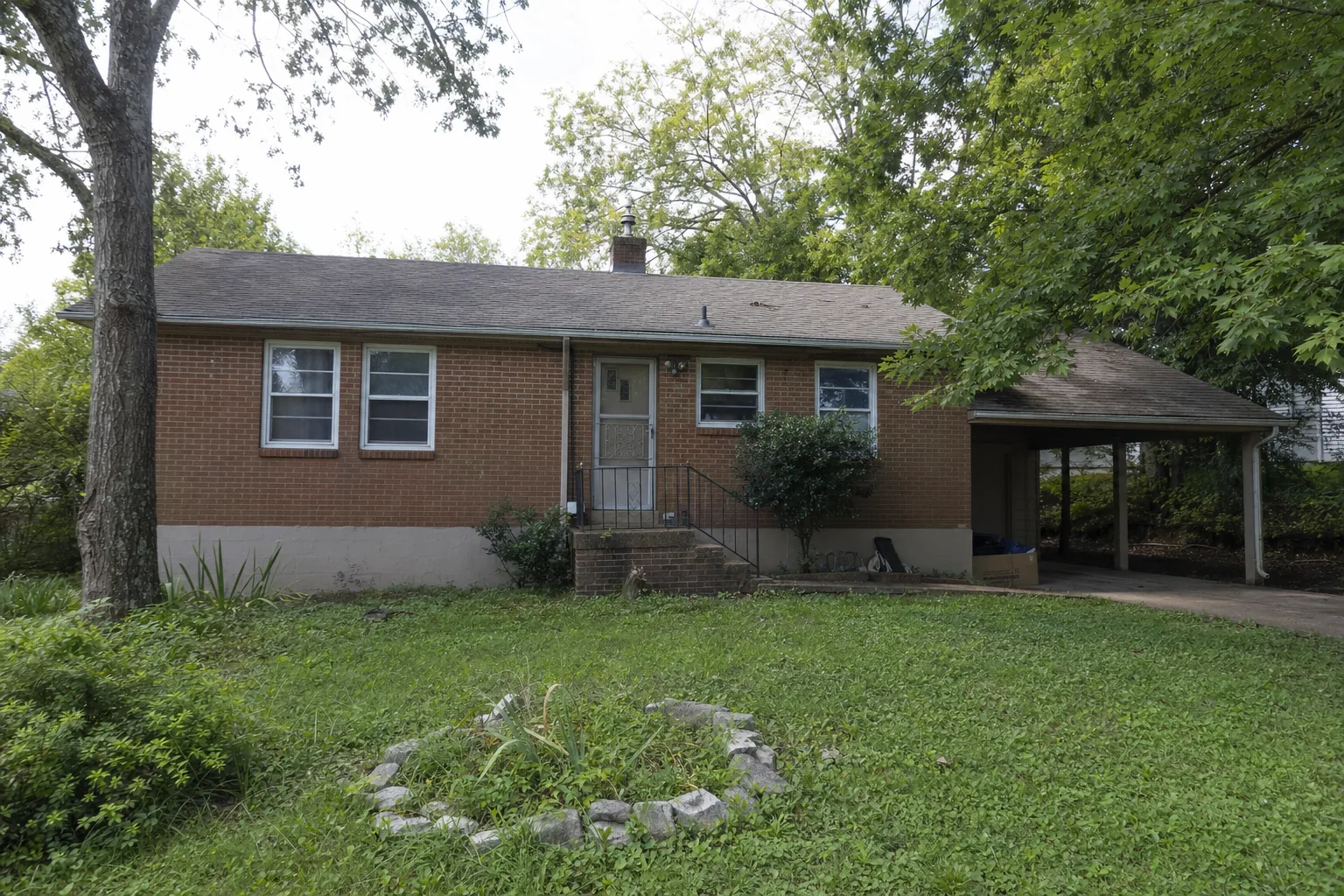
Fix-and-flip investors commonly target Nashville neighborhoods including East Nashville, Madison, Cleveland Park, Inglewood, Wedgewood-Houston, and The Nations. These areas offer property conditions and appreciation potential that make asset-based financing practical when conventional loans create competitive disadvantages through extended approval timelines.
Short-term rental investors frequently pursue properties in tourism-adjacent areas like Midtown/Vanderbilt, Edgehill/12South, Downtown, SoBro, and Germantown. STR investors need quick closings to secure desirable properties before conversion to vacation rentals. Borrowers should verify local zoning and permit requirements independently since regulations change frequently.
Buy-and-hold rental investors use hard money to acquire properties requiring immediate improvements before stabilization. This strategy allows quick property acquisition, completion of value-add renovations, and subsequent refinancing into conventional rental loans once cash flow stabilizes.
Borrowers pursuing ADU development represent a specialized category, though Metro Nashville restricts detached accessory dwelling units to specific zoning districts. These projects require lenders familiar with permitting constraints and feasibility requirements specific to Davidson County's zoning framework.
Commercial investors occasionally need hard money for mixed-use buildings, small apartment complexes, or income-producing assets when conventional commercial loans require approval periods incompatible with purchase timelines or seller expectations.
Nashville hard money lenders evaluate market-specific factors beyond standard underwriting metrics. Lenders verify borrower eligibility for short-term rental operations since Nashville's STR regulations directly affect property income potential and exit strategies. Many require documentation proving borrowers understand local permit processes before approving STR-focused financing.
Metro Nashville's zoning creates additional due diligence requirements. Lenders review whether proposed ADU projects comply with district-specific restrictions, as detached units face strict lot area and setback requirements. Properties with complex zoning overlays may extend approval timelines beyond typical hard money closing periods.
Rehab draw schedules reflect local construction realities and permit processing delays common in Davidson County. Nashville lenders adjust inspection timing based on seasonal patterns and contractor availability. Projects in popular areas like East Nashville or The Nations may encounter material cost fluctuations that lenders incorporate into feasibility analysis.
Tennessee's regulatory environment influences loan structuring decisions. Some lenders modify terms to avoid Industrial Loan and Thrift licensing triggers, particularly for short-term loans with higher rates. Others maintain Tennessee mortgage licenses for broader product flexibility.
Lenders evaluate borrower experience with Nashville's market dynamics, including tourism seasonality for STR properties and neighborhood transition timing for flip projects. Local knowledge often weighs as heavily as credit and liquidity factors in approval decisions.
Rates, points, loan-to-value limits, ARV limits, fees, and days-to-close are informational ranges only when sourced. They are not guarantees, quotes, commitments to lend, or financial advice. Actual terms vary by lender, borrower qualifications, property type, leverage, location, and underwriting review. Interest rates for Nashville investment property hard money loans typically range from approximately 8% to 15% annually, though rates vary by current market conditions, loan-to-value ratios, borrower experience, and property characteristics. This figure is illustrative only, not a quote or guarantee. Origination points commonly range from 2% to 5% of loan amount, paid at closing as the lender's processing fee. This figure is illustrative only, not a quote or guarantee. Nashville investors often compare hard money costs against conventional financing delays. Traditional bank loans may offer lower rates but require extensive documentation and approval timelines extending 30 to 60 days. Hard money lenders prioritize asset value and frequently close within 10 to 21 days for competitive purchases or time-sensitive projects. Additional costs include appraisal fees, title insurance, inspection charges, and servicing fees. Some lenders require monthly interest reserves or specific cash reserves throughout the loan term. Extension fees apply when borrowers need time beyond initial loan periods. Total borrowing costs require evaluation beyond advertised rates. Points, fees, and loan terms significantly impact overall financing expenses. Borrowers should request detailed fee schedules from multiple lenders to compare actual costs rather than focusing solely on interest rate quotes.

Tennessee regulates hard money lending through multiple frameworks depending on loan structure and terms. Most business-purpose real estate financing operates outside conventional mortgage licensing requirements, but borrowers should confirm regulatory compliance for their specific transaction type.
NMLS Consumer Access provides verification for Tennessee mortgage licensees. Borrowers can search by company name or NMLS ID to review license status, enforcement actions, and authorized activities. The system displays current information for residential mortgage lenders, brokers, and loan officers under Tennessee's mortgage banking framework.
The Tennessee Department of Financial Institutions oversees lending regulation and maintains verification resources at tn.gov/tdfi.html. Contact the department directly for licensing questions or complaints about Tennessee-licensed lenders. They provide guidance about which loan types require state oversight.
Tennessee Industrial Loan and Thrift licensing may apply to certain short-term or high-rate structures common in hard money lending. Lenders offering loans with terms of 181 months or less and interest rates above Tennessee's statutory formula may need specialized licensing. Ask lenders how they classify their products under Tennessee law.
Some hard money lenders operate as exempt commercial mortgage companies or use out-of-state licensing arrangements. While potentially legitimate, borrowers benefit from understanding the regulatory framework governing their transaction. Verification protects against unlicensed activity and clarifies oversight authority for disputes.
Confirm lender license status matches claimed lending authority before signing documents. This prevents closing complications and ensures proper regulatory protections apply.
Metro Nashville permits detached accessory dwelling units only in specific zoning districts with strict lot area, setback, and design requirements. Verify your property's zoning allows detached units and confirm permit requirements with Metro Planning before pursuing financing.
Hard money lenders evaluating ADU projects review base property value, construction budget, timeline, and exit strategy. Some focus on primary residence value for collateral. Others underwrite based on projected rental income from both main house and ADU after completion.
Tennessee lenders may require additional documentation including approved permits, contractor estimates, architectural plans, and comparable sales showing similar configurations. Rehab draws become more complex for new construction versus standard renovations. For Nashville borrowers, the practical next step is to confirm the property details, timeline, exit plan, and documentation before comparing lender conversations. For Nashville borrowers, the practical next step is to confirm the property details, timeline, exit plan, and documentation before comparing lender conversations. For Nashville borrowers, the practical next step is to confirm the property details, timeline, exit plan, and documentation before comparing lender conversations.
Nashville's investment patterns create different lending contexts across neighborhoods. East Nashville, Wedgewood-Houston, and The Nations attract fix-and-flip investors targeting value-add opportunities. Midtown, 12South, and Germantown draw short-term rental investors seeking higher cash flow properties.
Experienced Nashville lenders understand these patterns and adjust underwriting accordingly. Fix projects in Madison emphasize comparable sales and renovation scope. Short-term rental acquisitions in SoBro focus on occupancy projections and regulatory compliance.
Property values, renovation costs, and exit strategies vary significantly between Nashville neighborhoods. Lenders maintain different comfort levels with emerging versus established areas. Some avoid certain submarkets based on portfolio experience. For Nashville borrowers, the practical next step is to confirm the property details, timeline, exit plan, and documentation before comparing lender conversations. For Nashville borrowers, the practical next step is to confirm the property details, timeline, exit plan, and documentation before comparing lender conversations. For Nashville borrowers, the practical next step is to confirm the property details, timeline, exit plan, and documentation before comparing lender conversations.
Tennessee's lending regulations create specific considerations for hard money borrowers. Business-purpose commercial mortgage lending may not require conventional licensing, but certain short-term or high-cost structures can trigger Industrial Loan and Thrift requirements or other oversight.
Industrial Loan and Thrift licensing applies to loans with terms of 181 months or less and interest rates above Tennessee's formula rate. Some hard money products fall into this category depending on structure and pricing.
Ask lenders how they classify their products and whether structure requires specific Tennessee licensing. Request documentation of proper licensing before signing agreements. The Tennessee Department of Financial Institutions provides resources for understanding state-specific regulations affecting your transaction. For Nashville borrowers, the practical next step is to confirm the property details, timeline, exit plan, and documentation before comparing lender conversations. For Nashville borrowers, the practical next step is to confirm the property details, timeline, exit plan, and documentation before comparing lender conversations. For Nashville borrowers, the practical next step is to confirm the property details, timeline, exit plan, and documentation before comparing lender conversations.

No. HardMoneySearch.com is an informational directory, not a lender, broker, underwriter, or loan approval service. The site is meant to help real estate investors understand common hard money lending terms, compare publicly available lender information, and find verification resources. It does not recommend any lender or decide whether a loan is suitable for your situation. Before entering any loan agreement, review written terms carefully, ask the lender direct questions about licensing and fees, and consult qualified legal, tax, or financial professionals when needed.
An NMLS ID is an identifier connected to the Nationwide Multistate Licensing System, which tracks many mortgage companies and loan professionals. Some hard money and private money lenders display an NMLS ID, especially when they make loans that fall under mortgage licensing rules. Business-purpose investment-property lending is not regulated the same way in every state, so an absent NMLS number is not automatically a red flag. When an NMLS ID is available, use NMLS Consumer Access to confirm the company name and license status. When it is not available, verify the lender through its state regulator where applicable, business registration, reviews, written terms, and direct questions to the lender.
No. Any rates, points, LTV limits, ARV limits, fees, or closing timelines shown on HardMoneySearch.com are informational only when sourced. They are not quotes, guarantees, commitments to lend, or financial advice. Actual loan terms vary by lender, borrower qualifications, property type, leverage, location, documentation, valuation, title, and underwriting review. A borrower comparing lenders should request written terms, ask which fees are due upfront, confirm whether rates or points can change before closing, and compare total cost rather than relying only on a headline rate. Verify lender licensing, written terms, and any state-specific requirements before relying on a quote or proposal.
Many hard money lenders offer fix-and-flip financing, but qualification depends on the borrower, the property, and the lender's underwriting rules. A lender may review the purchase price, rehab budget, estimated after-repair value, borrower experience, liquidity, credit profile, contractor plan, timeline, and exit strategy. Ask how draws are released, whether inspections are required, how interest is calculated, and what happens if the project takes longer than expected. Hard money can be useful for some investment projects, but it is typically more expensive than conventional financing and should be reviewed carefully before signing. Verify lender licensing, written terms, and any state-specific requirements before relying on a quote or proposal.
Start by confirming that the company has a professional website, a reachable phone number, a physical or service-area presence, and consistent business information across public sources. If the lender lists an NMLS ID or state license, verify it through NMLS Consumer Access or the relevant state regulator. In states where business-purpose investor lending does not generally require a mortgage license, ask the lender directly what authority it operates under and whether it brokers loans or lends its own capital. Review Google feedback, written loan terms, fees, draw schedules, default provisions, and payoff requirements before moving forward.
Research Nashville hard money lenders who work in your target neighborhoods and handle your property type, whether fix-and-flip projects, short-term rentals, or ADU development. Request detailed quotes from at least three lenders comparing total costs, draw schedules, and closing timelines after providing property details and financial documentation.
Focus on lenders with demonstrated Nashville market experience rather than generic out-of-state providers claiming local expertise.
Additional resources: Nashville hard money lenders, hard money lender directory, how to choose a lender, NMLS Consumer Access, Tennessee Department of Financial Institutions
HardMoneySearch forwards your inquiry to lenders in its network. We do not guarantee a response, placement, or specific lender match. Contact multiple lenders independently to compare terms.
Request lender information