bridgecommercialdscrfix flip
- Trust Label
- Verified Business
- Reviews
- 4 composite
- States
- IL
- Close Time
- Ask lender
Chicago, IL
Chicago, IL
Chicago, IL
Chicago, IL
Chicago, IL
Chicago, IL
Chicago, IL
Chicago, IL
Chicago, IL
Chicago, IL
Chicago, IL
Chicago, IL
Chicago, IL
Chicago, IL
Chicago, IL
Chicago, IL
Chicago, IL
Chicago, IL
HardMoneySearch.com is an informational directory. We are not a lender. Listings do not constitute endorsements. Verify all lender credentials via NMLS Consumer Access before entering any loan agreement.
Lower West Side, Logan Square, and Pilsen deals also push Chicago borrowers to explain neighborhood-level exit plans, not just headline ARV numbers.
Chicagoland landlord rehab financing and Chicago ADU coach house financing both require cleaner rent evidence than a simple cosmetic flip.
Chicago's expanded ADU program creates new hard money lending demand for coach house conversions and accessory dwelling unit projects across all city neighborhoods. Previously limited to pilot areas, the citywide expansion allows investors to pursue ADU strategies throughout Chicago's rental markets.
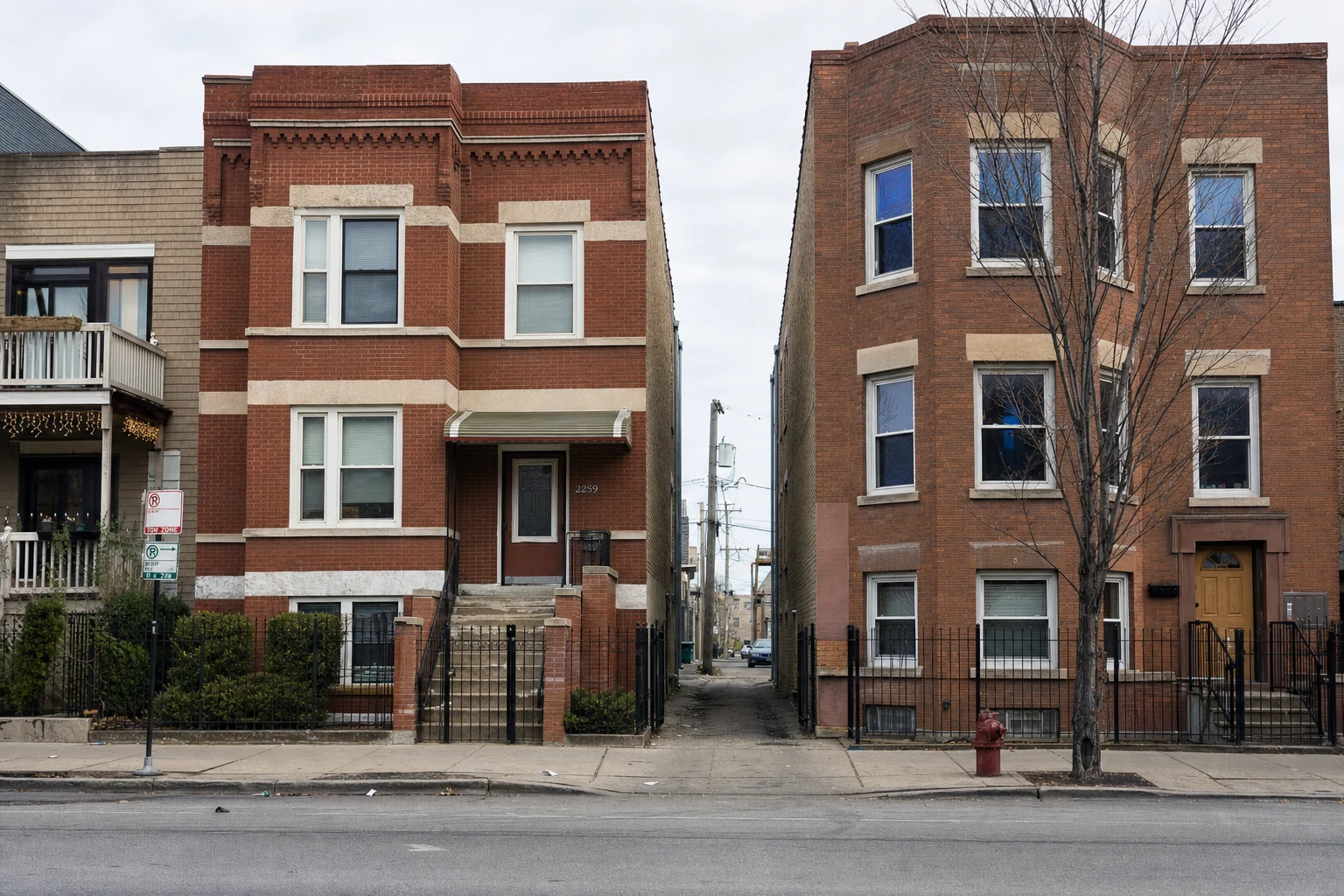
The city's multifamily housing stock includes numerous small apartment buildings, two-flats, and coach houses that attract fix-to-rent investors and BRRRR strategies. Hard money lenders operating here must evaluate properties ranging from traditional multifamily buildings to coach house conversion opportunities.
Chicago's strong rental culture drives specific lending dynamics around income-producing properties. Landlord-tenant regulations, seasonal rental patterns, and neighborhood-specific tenant demographics influence how lenders approach underwriting decisions. Local construction costs, permit timelines, and contractor availability affect renovation budgets and project completion schedules that lenders must factor into loan structures.
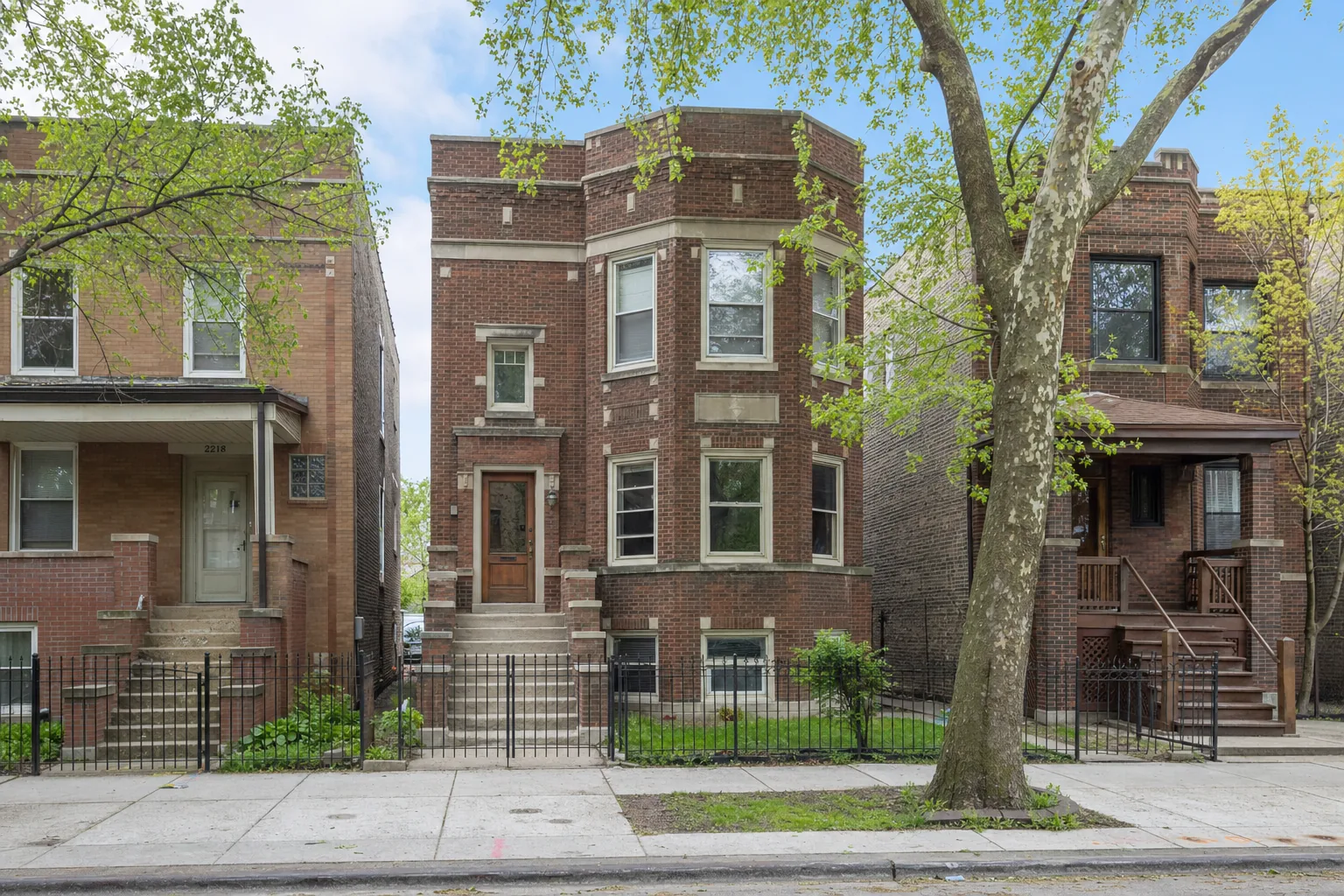
Fix-and-flip investors target single-family homes and small multifamily properties throughout Chicago's established neighborhoods. They need lenders comfortable with renovation timelines, local construction costs, and resale market analysis. These borrowers typically have contractor relationships and understand permit requirements but require flexible financing for acquisition and rehab phases.
BRRRR investors focus on acquiring rental properties, renovating them to market standards, and refinancing into long-term loans once stabilized. They pursue 2-4 unit properties that can generate immediate rental income after renovation completion. These investors need lenders who evaluate deals based on after-repair rental income rather than quick resale potential.
Real estate investors converting coach houses under Chicago's expanded ADU program represent a growing borrower segment. Coach house conversions require understanding of zoning compliance, structural requirements, and utility connections. These projects often involve longer timelines than standard rehabs due to permit coordination and specialized construction needs.
Experienced landlords with existing rental portfolios pursue additional properties to expand their holdings. They understand Chicago's rental regulations, tenant markets, and operating expenses but need acquisition financing that closes quickly when opportunities arise. These borrowers often refinance into conventional rental loans after completing renovations and stabilizing rental income.
Property wholesalers and assignment investors use hard money loans for quick closings when traditional financing timelines don't match seller requirements or market conditions.
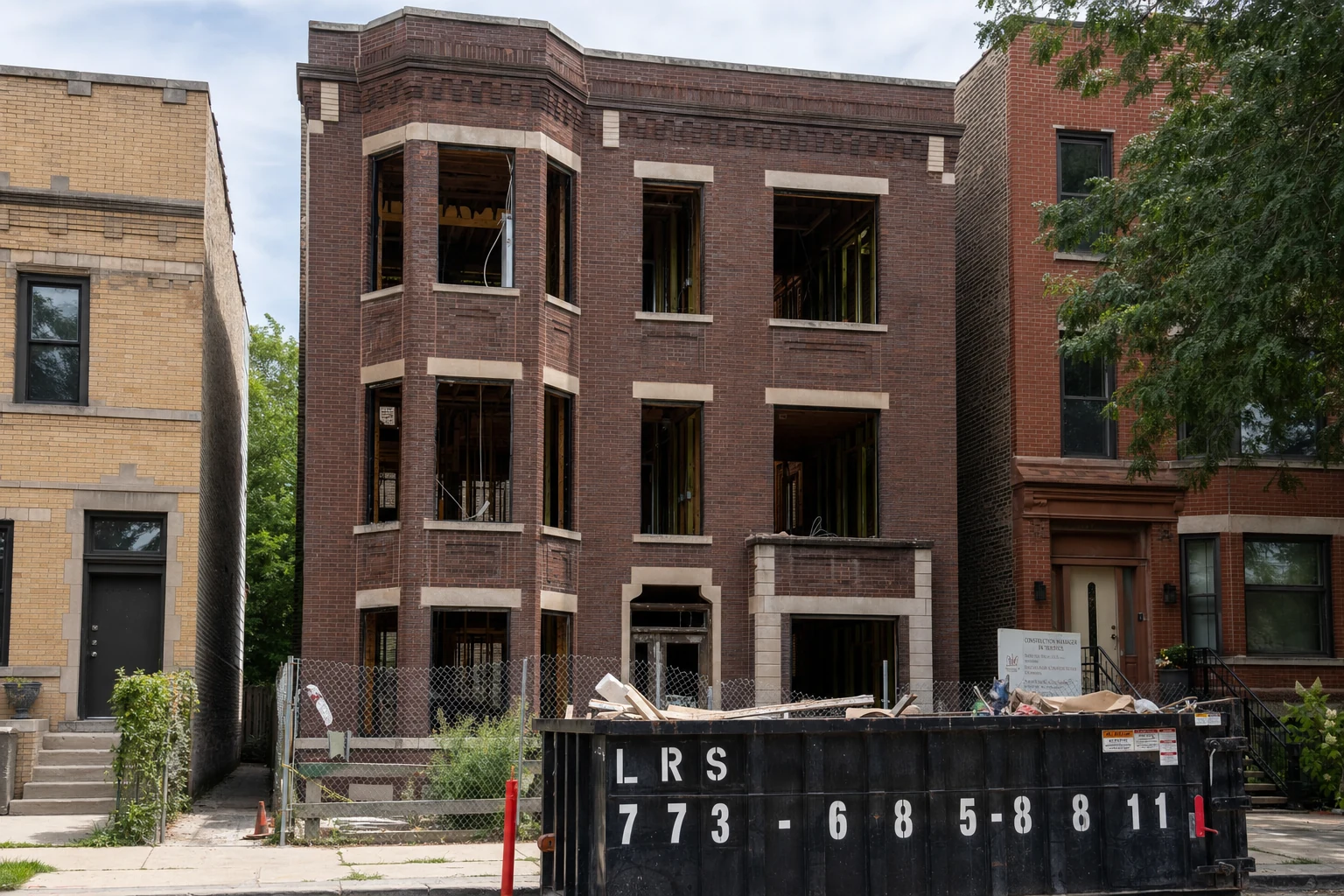
Property condition and renovation scope drive Chicago hard money lender evaluation. Lenders assess whether borrowers understand local construction costs, permit requirements, and contractor availability. Properties requiring extensive systems upgrades, code compliance work, or structural repairs receive enhanced scrutiny regarding budget accuracy and completion timelines.
Borrower experience with Chicago real estate markets influences approval decisions. Lenders prefer investors who demonstrate knowledge of local rental regulations, tenant demographics, and seasonal occupancy patterns. First-time Chicago investors may face additional requirements compared to borrowers with established local track records.
Exit strategy clarity becomes crucial during underwriting review. BRRRR investors must show realistic refinancing potential based on projected rental income and property values. Fix-and-flip borrowers need comparable sales data supporting their resale price assumptions. Coach house conversion projects require demonstration of ADU rental income potential.
Financial capacity beyond the initial loan amount receives evaluation. Lenders examine whether borrowers can fund renovation overruns, carrying costs during construction delays, and unexpected repairs. Reserve requirements vary based on property type, renovation complexity, and borrower experience level.
Local contractor relationships and renovation management experience factor into approval likelihood. Lenders want assurance that borrowers can execute their renovation plans within stated budgets and timelines, particularly for complex projects involving ADU conversions or major systems updates.
Rates, points, loan-to-value limits, ARV limits, fees, and days-to-close are informational ranges only when sourced. They are not guarantees, quotes, commitments to lend, or financial advice. Actual terms vary by lender, borrower qualifications, property type, leverage, location, and underwriting review.
Hard money loan pricing depends on individual borrower qualifications, property type, and specific lender evaluation according to various sources, with actual terms that vary by lender. Interest rates span industry ranges that require individual verification rather than guaranteed pricing. Origination points and closing costs add to total project expenses beyond base interest charges. Loan-to-value limits commonly range from 65% to 80% for purchase transactions, though specific ratios depend on property type and borrower qualifications. This figure is illustrative only, not a quote or guarantee. Construction and renovation projects may include after-repair value calculations that influence maximum leverage amounts. ADU conversion projects often require specialized valuation approaches that different lenders handle through varying underwriting methods. Interest payment structures vary significantly between lenders and project types. Some lenders include projected interest payments in the initial loan amount through interest reserve calculations. Others require monthly payments throughout the loan term. Construction draw schedules may involve inspection requirements that affect disbursement timing and project cash flow. Total project costs extend beyond quoted interest rates and points. Chicago borrowers should budget for appraisal fees, title insurance, inspection costs, attorney fees, and potential extension charges. Exit strategy timing affects overall borrowing costs since hard money loans are designed for short-term use rather than long-term holding. Speed claims require verification since Chicago title processes, permit requirements, and property inspections affect actual closing timelines. Lenders advertising rapid closes should clarify whether their timeline includes complete property evaluation, title review, and any required inspections specific to your property type and renovation scope.
Illinois requires mortgage lender licensing through the Department of Financial and Professional Regulation for companies making residential mortgage loans. IDFPR maintains licensing records and handles regulatory oversight for residential mortgage licensees operating in Illinois. Their online database provides license verification and enforcement action history.
NMLS Consumer Access provides federal registration data for mortgage companies when lenders provide NMLS identification numbers. The database shows license status, regulatory history, and contact information for companies registered under federal mortgage regulations. Not all hard money lenders are required to maintain NMLS registration depending on their business model and loan types.
The distinction between direct lenders and mortgage brokers carries regulatory significance in Illinois. Direct lenders fund loans from their own capital sources, while brokers arrange financing through other funding sources. Each operates under different licensing requirements and disclosure obligations that affect your transaction experience and legal protections.
Some hard money lenders claim exemptions from residential mortgage licensing when they focus exclusively on commercial or business-purpose loans. These exemptions have specific requirements under Illinois law regarding property types, loan amounts, and borrower characteristics. Verify any claimed exemptions through IDFPR resources or legal counsel familiar with Illinois lending regulations.
Request licensing documentation directly from potential lenders before submitting applications. Legitimate lenders provide NMLS numbers, state license information, or exemption documentation upon request. Review lender websites for regulatory disclosures, compliance statements, and licensing displays that indicate proper regulatory standing.
Cross-reference licensing information through multiple sources rather than relying solely on lender representations. Both IDFPR and NMLS databases provide independent verification of regulatory status and enforcement history.
Fix-and-flip loans focus on renovation completion and resale timing, with lenders evaluating after-repair value based on comparable sales data from similar Chicago neighborhoods. These loans typically carry shorter terms ranging from 6-12 months with balloon payments tied to expected sale dates. BRRRR loans emphasize rental income potential and refinancing capability after stabilization, requiring longer-term thinking about market rent rates and property cash flow.
Chicago BRRRR lenders examine projected rental rates using neighborhood-specific data, local vacancy patterns, and the property's likelihood to qualify for conventional rental financing after renovation completion. They consider seasonal rental demand fluctuations, particularly in areas near universities or with student populations. Interest payment structures often differ between strategies, with BRRRR loans sometimes offering interest-only payments during initial rental stabilization periods.
Underwriting criteria vary significantly between these loan types. Fix-and-flip lenders prioritize renovation experience, contractor relationships, and resale market knowledge. BRRRR lenders focus more heavily on landlord experience, understanding of Chicago rental regulations, and realistic cash flow projections that account for local operating expenses and tenant demographics.
Chicago's expanded ADU program creates specific underwriting considerations for coach house conversion projects that differ substantially from traditional rehab financing. Lenders evaluate borrower understanding of local zoning requirements, building code compliance for accessory dwelling units, and utility connection requirements that standard properties don't face. Coach house projects often require structural assessments, specialized permit coordination, and contractor expertise with historic building conversions.
Construction timelines for coach house conversions typically extend 3-6 months beyond traditional rehab projects due to permit approval processes, inspection schedules, and potential structural modifications required for code compliance. Hard money lenders may require larger interest reserves or more conservative completion estimates to account for these extended timelines. Many lenders prefer borrowers with previous ADU experience or established relationships with contractors familiar with coach house construction requirements.
Market valuation becomes complex for coach house conversions since comparable sales data may be limited. Lenders often require specialized appraisers familiar with ADU valuations and rental income projections for accessory dwelling units. The regulatory environment continues evolving as Chicago refines ADU requirements, creating additional due diligence requirements for both lenders and borrowers pursuing these conversion strategies.
Chicago rental markets vary dramatically by neighborhood, building type, and tenant demographics, requiring location-specific analysis rather than citywide assumptions. Hard money lenders evaluate whether borrowers understand local rental rates, vacancy patterns, and seasonal demand fluctuations that affect cash flow projections. Properties near universities experience different tenant turnover patterns than family-oriented neighborhoods or areas popular with young professionals, influencing lender risk assessment.
Landlord-tenant regulations in Chicago significantly affect lender calculations for operating expenses and cash flow projections. Security deposit limitations, eviction procedures, rental registration obligations, and energy efficiency requirements influence how lenders assess rental income stability. The Chicago Residential Landlord Tenant Ordinance creates specific compliance costs that borrowers must factor into operating expense projections when seeking financing.
Market rent verification requires hyper-local comparable data within several blocks of target properties, considering unit size, building condition, parking availability, and amenities. Lenders typically request recent rental comparisons rather than relying on broader market studies. Properties in transitional neighborhoods may require additional market analysis to support projected rental increases after renovation completion. Understanding these micro-market dynamics becomes crucial for loan approval and successful project execution.
No. HardMoneySearch.com is an informational directory, not a lender, broker, underwriter, or loan approval service. The site is meant to help real estate investors understand common hard money lending terms, compare publicly available lender information, and find verification resources. It does not recommend any lender or decide whether a loan is suitable for your situation. Before entering any loan agreement, review written terms carefully, ask the lender direct questions about licensing and fees, and consult qualified legal, tax, or financial professionals when needed.
An NMLS ID is an identifier connected to the Nationwide Multistate Licensing System, which tracks many mortgage companies and loan professionals. Some hard money and private money lenders display an NMLS ID, especially when they make loans that fall under mortgage licensing rules. Business-purpose investment-property lending is not regulated the same way in every state, so an absent NMLS number is not automatically a red flag. When an NMLS ID is available, use NMLS Consumer Access to confirm the company name and license status. When it is not available, verify the lender through its state regulator where applicable, business registration, reviews, written terms, and direct questions to the lender.
No. Any rates, points, LTV limits, ARV limits, fees, or closing timelines shown on HardMoneySearch.com are informational only when sourced. They are not quotes, guarantees, commitments to lend, or financial advice. Actual loan terms vary by lender, borrower qualifications, property type, leverage, location, documentation, valuation, title, and underwriting review. A borrower comparing lenders should request written terms, ask which fees are due upfront, confirm whether rates or points can change before closing, and compare total cost rather than relying only on a headline rate. Verify lender licensing, written terms, and any state-specific requirements before relying on a quote or proposal.
Many hard money lenders offer fix-and-flip financing, but qualification depends on the borrower, the property, and the lender's underwriting rules. A lender may review the purchase price, rehab budget, estimated after-repair value, borrower experience, liquidity, credit profile, contractor plan, timeline, and exit strategy. Ask how draws are released, whether inspections are required, how interest is calculated, and what happens if the project takes longer than expected. Hard money can be useful for some investment projects, but it is typically more expensive than conventional financing and should be reviewed carefully before signing. Verify lender licensing, written terms, and any state-specific requirements before relying on a quote or proposal.
Start by confirming that the company has a professional website, a reachable phone number, a physical or service-area presence, and consistent business information across public sources. If the lender lists an NMLS ID or state license, verify it through NMLS Consumer Access or the relevant state regulator. In states where business-purpose investor lending does not generally require a mortgage license, ask the lender directly what authority it operates under and whether it brokers loans or lends its own capital. Review Google feedback, written loan terms, fees, draw schedules, default provisions, and payoff requirements before moving forward.
Start by verifying potential lenders through IDFPR licensing records and NMLS Consumer Access when applicable. Compare total project costs including origination points, inspection fees, and interest payment structures rather than focusing solely on advertised rates. Request specific examples of similar Chicago projects each lender has financed, particularly if you're pursuing ADU conversions or multifamily properties. Schedule property evaluations with 2-3 qualified lenders to compare underwriting approaches and timeline estimates for your specific investment strategy.
*Ready to explore your financing options?
Additional resources: Chicago hard money lenders, hard money lender directory, how to choose a lender, NMLS Consumer Access, Illinois Department of Financial and Professional Regulation
HardMoneySearch forwards your inquiry to lenders in its network. We do not guarantee a response, placement, or specific lender match. Contact multiple lenders independently to compare terms.
Request lender information