Capital Fund 1
Denver, CO
bridgecommercialdscrfix flip
- Trust Label
- NMLS #396288 · verified Jun 2026
- Reviews
- 3.7 composite
- States
- CO
- Close Time
- Ask lender
Denver, CO
Denver, CO
Denver, CO
Denver, CO
Denver, CO
Denver, CO
Denver, CO
Denver, CO
Denver, CO
Denver, CO
Denver, CO
Denver, CO
Denver, CO
Denver, CO
Denver, CO
Denver, CO
Denver, CO
Denver, CO
Denver, CO
Denver, CO
Denver, CO
Denver, CO
Denver, CO
Denver, CO
Denver, CO
Denver, CO
Denver, CO
Denver, CO
Denver, CO
HardMoneySearch.com is an informational directory. We are not a lender. Listings do not constitute endorsements. Verify all lender credentials via NMLS Consumer Access before entering any loan agreement.
Denver's hard money lending market serves investors across diverse property types and renovation strategies. The city's older housing stock in neighborhoods like Highland, Five Points, and Capitol Hill provides consistent deal flow for asset-based lenders focused on property value rather than borrower income verification.
Colorado-based private lenders compete alongside national hard money companies targeting Front Range investment activity. Local lenders often maintain relationships with Denver-area appraisers, contractors, and title companies that can accelerate closing timelines. They understand permit processes, historical district restrictions, and flood zone considerations that affect renovation budgets and project feasibility.
The market includes both individual private investors and institutional hard money funds. Private investors may offer more flexible terms for specific deals, while institutional lenders provide consistent availability and standardized processes. Denver's competitive real estate market rewards investors who can close quickly with cash-equivalent financing before pursuing long-term refinancing options.
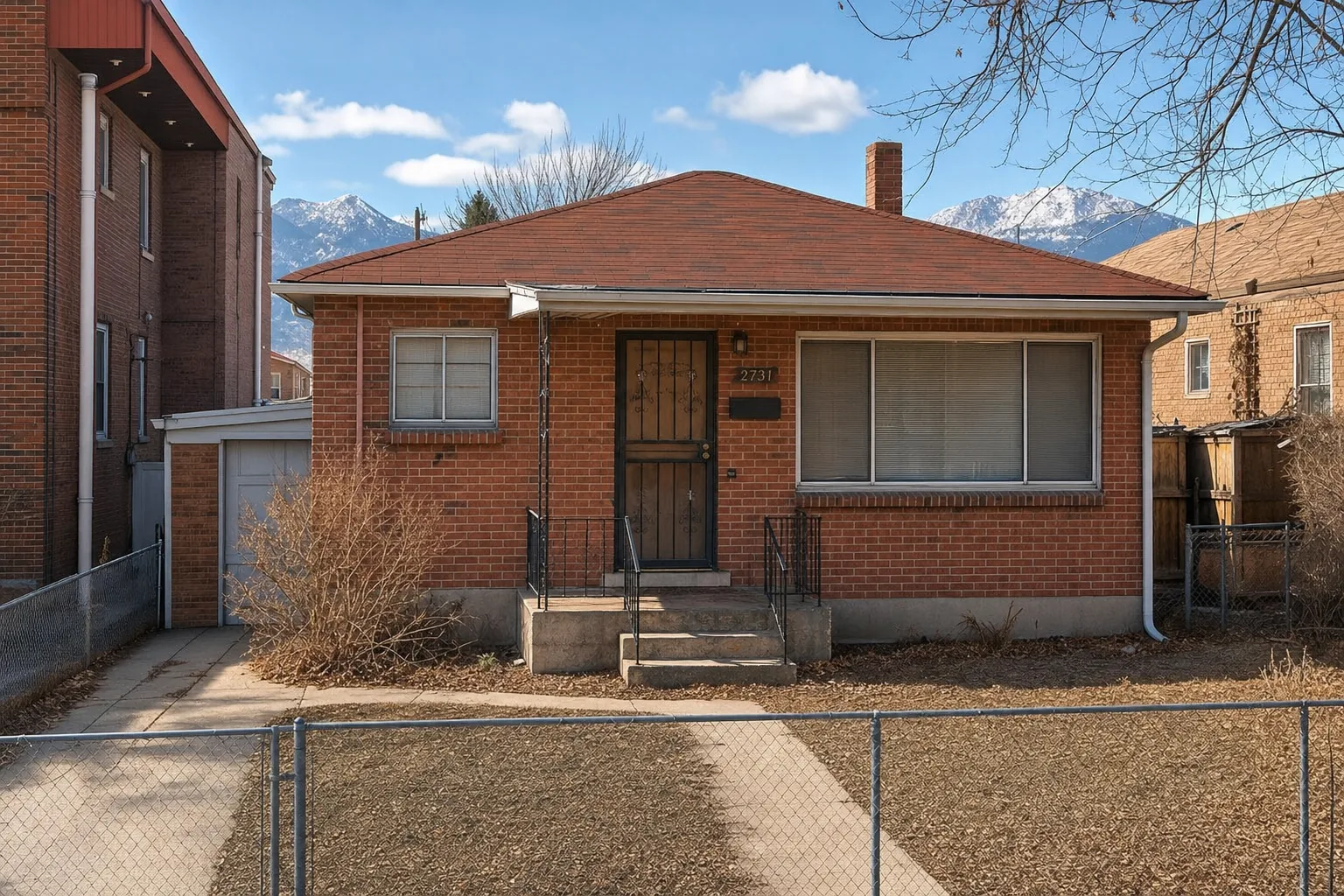
Value-add renovation investors represent the largest segment of Denver's hard money market. These borrowers target single-family homes in transitioning neighborhoods where strategic improvements can generate significant equity appreciation. They need acquisition speed and renovation financing that conventional lenders cannot provide for properties requiring immediate repairs or updates.
House-hacking investors use hard money when purchasing duplex, triplex, and small multifamily properties that need work before qualifying for conventional investment mortgages. These deals often involve owner-occupant scenarios where borrowers plan to live in one unit while renting others, but properties require renovations before meeting habitability standards for traditional financing.
Short-term rental investors targeting Denver's vacation rental market rely on hard money for quick closings in competitive bidding situations. These borrowers convert properties to Airbnb or similar platforms, though they must work within Denver's regulatory landscape governing short-term rentals in different neighborhoods.
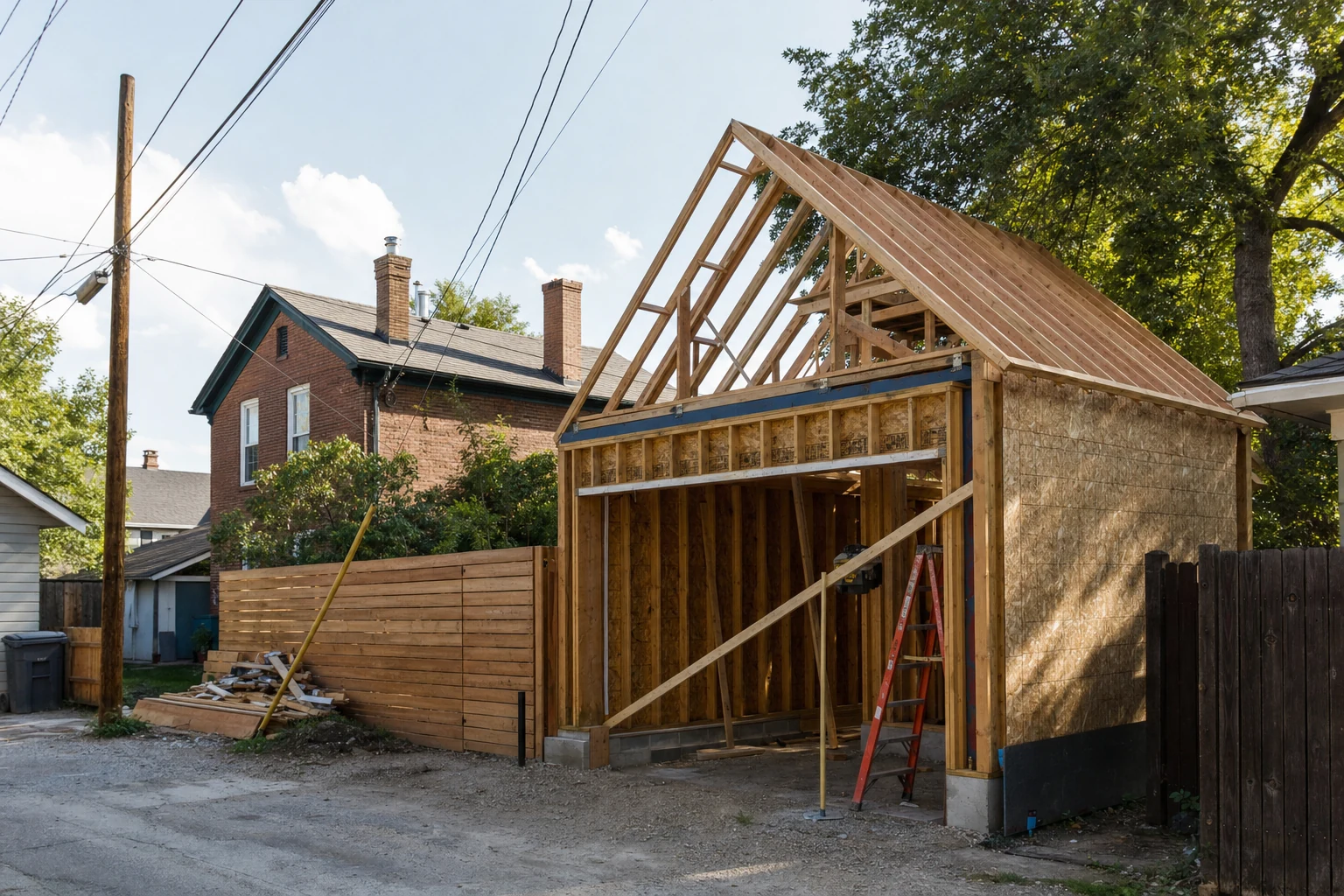
ADU development projects attract investors adding accessory dwelling units to existing properties for rental income generation. Denver's ADU regulations create opportunities, but lenders scrutinize these deals carefully due to permit complexity and construction risks that exceed typical renovation projects.
Commercial real estate investors use hard money for mixed-use buildings, retail spaces, and larger multifamily properties when conventional commercial loans move too slowly. Portfolio investors refinancing multiple rental properties may also choose hard money when timing requirements outweigh interest rate considerations for their overall investment strategy.
Property location within Denver's diverse market geography significantly influences lender underwriting decisions. Most lenders distinguish between established neighborhoods with consistent comparable sales versus transitioning areas where valuation requires more sophisticated market analysis. They prefer areas with active investor participation and reliable resale demand that supports exit strategy execution.
Construction complexity affects lender evaluation, particularly for Denver's older housing stock requiring lead paint protocols, asbestos remediation, or historical preservation compliance. Lenders scrutinize renovation budgets for properties in flood-prone areas near the South Platte River or Clear Creek, where environmental considerations may extend timelines and increase costs beyond initial estimates.
ADU development projects face additional underwriting layers due to Denver's evolving zoning regulations and permit requirements. Lenders review municipal guidelines, parking requirements, utility capacity, and neighborhood-specific restrictions before approving construction financing. They often require approved permits and architectural plans before loan commitment.
Borrower qualifications focus on liquidity reserves, construction knowledge, and realistic project timelines rather than traditional employment verification. Lenders want evidence that borrowers understand local construction costs, permit processes, and market conditions affecting their specific investment strategy. They evaluate exit strategies based on comparable sales data, projected renovation timelines, and borrower experience managing similar projects.
Colorado-based lenders may offer advantages through local market knowledge, while national lenders provide standardized processes and consistent capital availability. Both approaches can work effectively depending on property type, borrower experience, and project complexity requirements.
Rates, points, loan-to-value limits, ARV limits, fees, and days-to-close are informational ranges only when sourced. They are not guarantees, quotes, commitments to lend, or financial advice. Actual terms vary by lender, borrower qualifications, property type, leverage, location, and underwriting review.
Hard money loan pricing structures vary significantly based on multiple underwriting factors including property type, borrower qualifications, loan-to-value ratio, and project complexity. Most lenders charge both interest rates and origination points, creating total cost structures that require careful comparison across different pricing models and fee arrangements.
Interest-only monthly payments are standard, with principal due at loan maturity. Extension options may be available for projects requiring additional time, though extension fees can substantially impact total project costs. Some lenders structure deals with interest reserves built into the initial loan amount to reduce monthly payment requirements during renovation periods.
Total project costs include more than basic interest and points. Underwriting fees, appraisal costs, title insurance, draw inspection fees, and legal documentation can add thousands of dollars to project budgets. Draw inspection processes for renovation projects typically involve additional fees per inspection, making accurate construction timeline planning essential for cost control.
Loan-to-value calculations may be based on current property value, after-repair value, or purchase price depending on lender policies and deal structure. Some lenders provide construction draws for rehabilitation work, while others fund renovation costs upfront based on detailed contractor estimates and scope of work documentation.
Speed advantages over conventional financing justify premium pricing for many investors. Hard money closings can often occur within days of property valuation and documentation completion, while conventional investment mortgages require weeks or months for approval and funding.
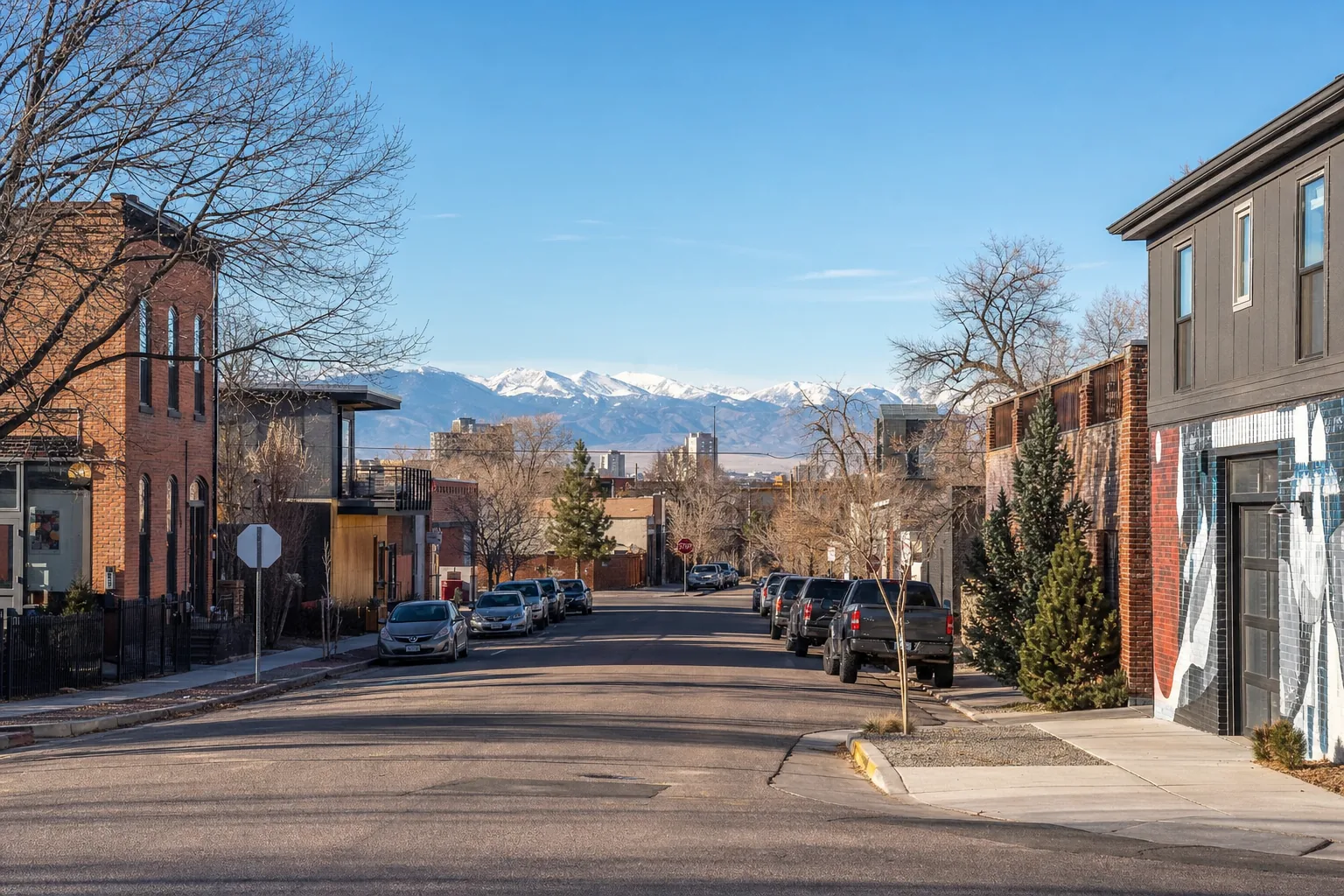
Colorado does not require mortgage licenses for business-purpose hard money loans on non-owner-occupied investment properties. This exemption applies to most fix-and-flip, rental property, and commercial real estate loans that fall under business-purpose lending definitions rather than consumer mortgage regulations.
Some lenders voluntarily maintain NMLS licensing even for business-purpose loans, while others operate as private capital sources or investment funds without traditional mortgage oversight. Both approaches can be legitimate business models, but borrowers should understand which regulatory framework applies to their specific transaction and what protections may or may not exist.
Business registration verification through Colorado's Secretary of State database confirms basic entity standing and registered agent information. This step helps distinguish between established businesses and potentially problematic operators without proper legal structure or accountability mechanisms.
Contract terms require careful review since business-purpose lending operates under different consumer protection rules than residential mortgages. Consider consulting with a real estate attorney familiar with Colorado investment property transactions before signing loan agreements, particularly for complex deals or first-time hard money borrowers.
The Colorado Division of Real Estate at dre.colorado.gov provides guidance on mortgage regulations and complaint processes for transactions that fall under their jurisdiction. They can clarify specific licensing requirements and regulatory concerns when questions arise about particular lenders or loan structures.
Hard money lending involves significant financial risk and higher costs compared to conventional financing. Understand all repayment obligations, default consequences, and lender recourse options before proceeding with any loan application or commitment to ensure the arrangement aligns with your risk tolerance and investment strategy.
Many Denver hard money lenders evaluate first-time investors based on project viability and risk management capability rather than previous flip experience alone. They typically want evidence of construction knowledge, realistic renovation budgets, and adequate liquidity reserves beyond the loan amount for unexpected costs or timeline extensions.
First-time investors strengthen applications by targeting properties in established rehab neighborhoods like Highland, Five Points, or Baker where comparable sales data supports after-repair value projections. Lenders may require larger down payments from inexperienced borrowers and some cap initial loan amounts to limit their exposure while borrowers establish track records.
Successful first-time applicants demonstrate understanding of Denver's permit processes, construction costs, and realistic project timelines. They present detailed renovation plans with contractor estimates, market analysis supporting exit strategies, and sufficient capital reserves for contingencies. Many lenders prefer working with borrowers who have general contracting backgrounds or partner with experienced local contractors for their first projects. For Denver borrowers, the practical next step is to confirm the property details, timeline, exit plan, and documentation before comparing lender conversations.
ADU projects receive heightened scrutiny due to zoning complexity, permit requirements, and construction risks that exceed standard renovations. Most lenders require approved plans and permits before loan commitment, since ADU regulations vary significantly by neighborhood and lot characteristics affecting project feasibility.
The underwriting process focuses on construction budget accuracy and contractor qualifications, since ADU projects often encounter structural, electrical, or plumbing challenges that require specialized expertise. Lenders typically want detailed architectural plans, engineering reports when needed, and contractors with demonstrated ADU experience in Denver's regulatory environment.
Many lenders require higher down payments for ADU developments compared to standard renovations, reflecting the increased complexity and potential for cost overruns. They evaluate the primary property's existing condition, utility capacity for additional units, and neighborhood rental demand that justifies the investment. Some lenders avoid ADU projects entirely due to permit uncertainty and construction complexity. For Denver borrowers, the practical next step is to confirm the property details, timeline, exit plan, and documentation before comparing lender conversations.
Lenders generally prefer neighborhoods with established comparable sales data and consistent investor activity. Highland, Five Points, Baker, and Capitol Hill attract lender interest due to active rehab markets and reliable valuation benchmarks that support confident after-repair value projections.
Areas with limited recent sales activity or extreme price volatility receive additional caution from most lenders. Properties in flood zones, areas with environmental concerns, or neighborhoods with declining population trends may face higher down payment requirements or loan amount restrictions based on increased risk factors.
Mountain-adjacent or remote Denver metro locations often require larger down payments due to limited comparable sales and potentially longer marketing periods. However, property condition and clear exit strategies matter more than specific zip codes for most lending decisions. Lenders focus on market data supporting realistic after-repair values and borrower experience in their target neighborhoods. For Denver borrowers, the practical next step is to confirm the property details, timeline, exit plan, and documentation before comparing lender conversations. For Denver borrowers, the practical next step is to confirm the property details, timeline, exit plan, and documentation before comparing lender conversations.
No. HardMoneySearch.com is an informational directory, not a lender, broker, underwriter, or loan approval service. The site is meant to help real estate investors understand common hard money lending terms, compare publicly available lender information, and find verification resources. It does not recommend any lender or decide whether a loan is suitable for your situation. Before entering any loan agreement, review written terms carefully, ask the lender direct questions about licensing and fees, and consult qualified legal, tax, or financial professionals when needed.
An NMLS ID is an identifier connected to the Nationwide Multistate Licensing System, which tracks many mortgage companies and loan professionals. Some hard money and private money lenders display an NMLS ID, especially when they make loans that fall under mortgage licensing rules. Business-purpose investment-property lending is not regulated the same way in every state, so an absent NMLS number is not automatically a red flag. When an NMLS ID is available, use NMLS Consumer Access to confirm the company name and license status. When it is not available, verify the lender through its state regulator where applicable, business registration, reviews, written terms, and direct questions to the lender.
No. Any rates, points, LTV limits, ARV limits, fees, or closing timelines shown on HardMoneySearch.com are informational only when sourced. They are not quotes, guarantees, commitments to lend, or financial advice. Actual loan terms vary by lender, borrower qualifications, property type, leverage, location, documentation, valuation, title, and underwriting review. A borrower comparing lenders should request written terms, ask which fees are due upfront, confirm whether rates or points can change before closing, and compare total cost rather than relying only on a headline rate. Verify lender licensing, written terms, and any state-specific requirements before relying on a quote or proposal.
Many hard money lenders offer fix-and-flip financing, but qualification depends on the borrower, the property, and the lender's underwriting rules. A lender may review the purchase price, rehab budget, estimated after-repair value, borrower experience, liquidity, credit profile, contractor plan, timeline, and exit strategy. Ask how draws are released, whether inspections are required, how interest is calculated, and what happens if the project takes longer than expected. Hard money can be useful for some investment projects, but it is typically more expensive than conventional financing and should be reviewed carefully before signing. Verify lender licensing, written terms, and any state-specific requirements before relying on a quote or proposal.
Start by confirming that the company has a professional website, a reachable phone number, a physical or service-area presence, and consistent business information across public sources. If the lender lists an NMLS ID or state license, verify it through NMLS Consumer Access or the relevant state regulator. In states where business-purpose investor lending does not generally require a mortgage license, ask the lender directly what authority it operates under and whether it brokers loans or lends its own capital. Review Google feedback, written loan terms, fees, draw schedules, default provisions, and payoff requirements before moving forward.
Focus your search on lenders who demonstrate specific experience with your target neighborhood and property type. Review each lender's typical loan terms, draw inspection processes, and timeline requirements to match your project needs.
Contact multiple lenders to compare pricing structures, but prioritize those who can clearly explain their underwriting approach for your specific investment strategy. Speed and reliability often matter more than minimal rate differences in competitive Denver market conditions.
Additional resources: Denver hard money lenders, hard money lender directory, how to choose a lender, NMLS Consumer Access, Colorado Department of Regulatory Agencies
HardMoneySearch forwards your inquiry to lenders in its network. We do not guarantee a response, placement, or specific lender match. Contact multiple lenders independently to compare terms.
Request lender information