Trulo Mortgage, LLC
Los Angeles, CA
bridgecommercialdscrfix flip
- Trust Label
- Verified Business
- Reviews
- 3.4 composite
- States
- CA
- Close Time
- Ask lender
Los Angeles, CA
Los Angeles, CA
Los Angeles, CA
Los Angeles, CA
Los Angeles, CA
Los Angeles, CA
Los Angeles, CA
Los Angeles, CA
Los Angeles, CA
Los Angeles, CA
Los Angeles, CA
Los Angeles, CA
Los Angeles, CA
Los Angeles, CA
Los Angeles, CA
Los Angeles, CA
Los Angeles, CA
Los Angeles, CA
Los Angeles, CA
Los Angeles, CA
Los Angeles, CA
Los Angeles, CA
Los Angeles, CA
Los Angeles, CA
Los Angeles, CA
Los Angeles, CA
Los Angeles, CA
Los Angeles, CA
Los Angeles, CA
HardMoneySearch.com is an informational directory. We are not a lender. Listings do not constitute endorsements. Verify all lender credentials via NMLS Consumer Access before entering any loan agreement.
Los Angeles County's hard money market serves real estate investors targeting properties with values that often exceed national averages by significant margins. The city's diverse submarkets create valuation challenges that require lenders familiar with neighborhood-specific pricing dynamics and exit strategies appropriate for California's expensive real estate environment.
Local lenders typically focus on fix-and-flip projects, ADU development, and multi-unit acquisitions throughout LA County. Each submarket presents different risk profiles and renovation costs that experienced lenders understand through direct market participation. Properties in areas like San Fernando Valley, Highland Park, Silver Lake, Inglewood, and Long Beach require different underwriting approaches based on local buyer demand and comparable sales data.
The licensing landscape includes both DFPI-regulated lenders operating under California Financing Law and DRE-licensed brokers handling real-property-secured transactions. Multi-state lenders must maintain valid California credentials regardless of their primary licensing jurisdiction.
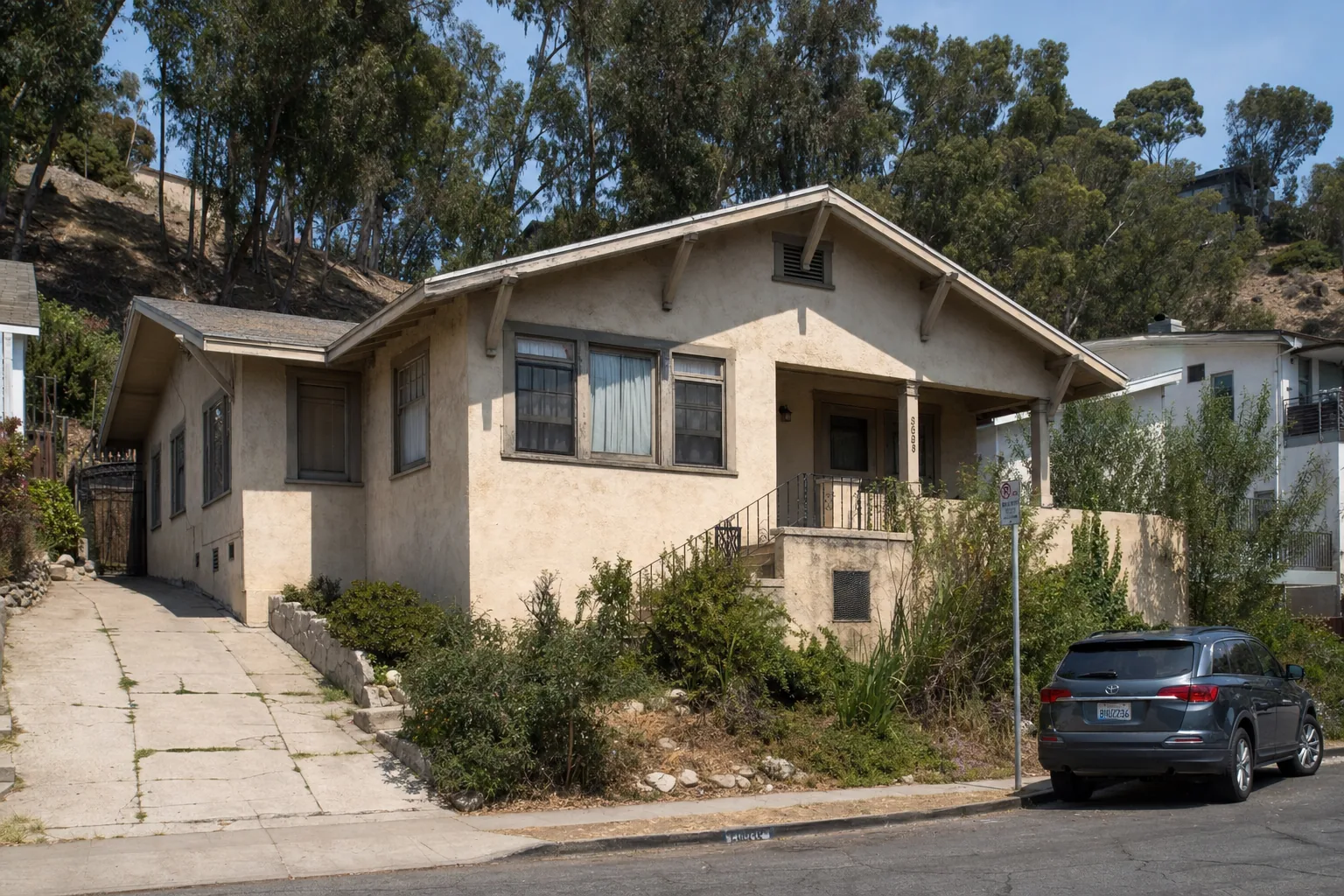
Single-family fix-and-flip investors represent the largest segment of Los Angeles hard money borrowers. These investors purchase distressed properties for renovation and resale within 6-24 months, capitalizing on established buyer demand for renovated homes throughout LA County. High property values create substantial loan amounts even at conservative ratios.
ADU development has emerged as a major investment strategy following California's expanded ADU regulations. Property owners use hard money financing to add accessory dwelling units that generate rental income. These projects require construction draws and flexible timelines that conventional lenders cannot accommodate through standard residential mortgage products.
Multi-unit apartment investors use hard money for value-add acquisitions requiring immediate improvements or occupancy stabilization. Bridge financing allows them to purchase properties that need repositioning before qualifying for conventional refinancing. Commercial real estate investors similarly use hard money for time-sensitive acquisitions or properties requiring immediate capital improvements.
Construction and ground-up development projects create specialized financing needs that experienced hard money lenders address through draw-based funding structures. These borrowers need lenders familiar with Los Angeles County permit processes and contractor management requirements.
Each borrower type faces different timeline pressures and exit strategy requirements that shape their lender selection criteria. Successful investors match their project needs with lenders experienced in their specific investment approach.
Los Angeles lenders evaluate properties against one of the nation's most expensive real estate markets where modest single-family rehab projects often require loan amounts exceeding $500,000. Property valuations demand detailed neighborhood analysis because adjacent submarkets can show dramatically different pricing dynamics and buyer preferences.
Borrower experience with Southern California market conditions carries more weight than general real estate investment history. Lenders review whether borrowers understand local permitting timelines, contractor availability, and renovation costs reflecting Los Angeles labor and materials pricing. Previous project experience in similar neighborhoods demonstrates market familiarity that lenders value in their underwriting decisions.
Exit strategy evaluation focuses on realistic sale prices supported by recent comparable sales data in the borrower's target submarket. Lenders analyze whether proposed after-repair values align with local market conditions and buyer demand patterns. For rental property projects, they evaluate rent-to-price ratios and refinancing potential given Los Angeles property values.
Credit and liquidity requirements often exceed national standards due to high-dollar loan amounts common in LA transactions. While maintaining asset-focused underwriting, lenders expect borrowers to demonstrate liquid reserves proportional to higher acquisition costs and renovation budgets. Documentation requirements include contractor relationships, detailed rehab budgets, and market analysis supporting projected values.
Lenders prioritize borrowers who understand California regulations, local market timing, and renovation approaches that maximize property values in expensive markets.
Rates, points, loan-to-value limits, ARV limits, fees, and days-to-close are informational ranges only when sourced. They are not guarantees, quotes, commitments to lend, or financial advice. Actual terms vary by lender, borrower qualifications, property type, leverage, location, and underwriting review.
Los Angeles hard money rates typically range from 8% to 15% annually, with origination points between 2% and 6% of loan amount according to industry sources, though both vary by lender and borrower qualifications. High property values create substantial loan amounts even at conservative ratios. A $500,000 loan at 12% interest with 4 points costs $20,000 upfront plus $60,000 annually in interest, illustrating the importance of careful cost calculations. This figure is illustrative only, not a quote or guarantee.
Points represent upfront origination fees collected at closing. Higher points often correlate with faster approval timelines or flexible underwriting criteria. Some lenders structure pricing with lower rates but higher points, while others emphasize rate competitiveness with moderate point requirements. Borrowers should evaluate total project costs rather than focusing solely on interest rates.
Loan terms generally span 6 to 24 months for fix-and-flip projects, with 12-month terms being most common. Bridge loans may extend to 36 months depending on stabilization timelines. Interest-only payments are standard with principal due at maturity or refinance.
Speed commands a premium in competitive Los Angeles markets where investors compete for properties. Hard money lenders may close within 7 to 21 days after documentation review, appraisal completion, and title clearance. Conventional financing typically requires 30 to 45 days minimum. Compare all-in costs including interest, points, appraisal fees, title costs, and potential extension fees when evaluating options.
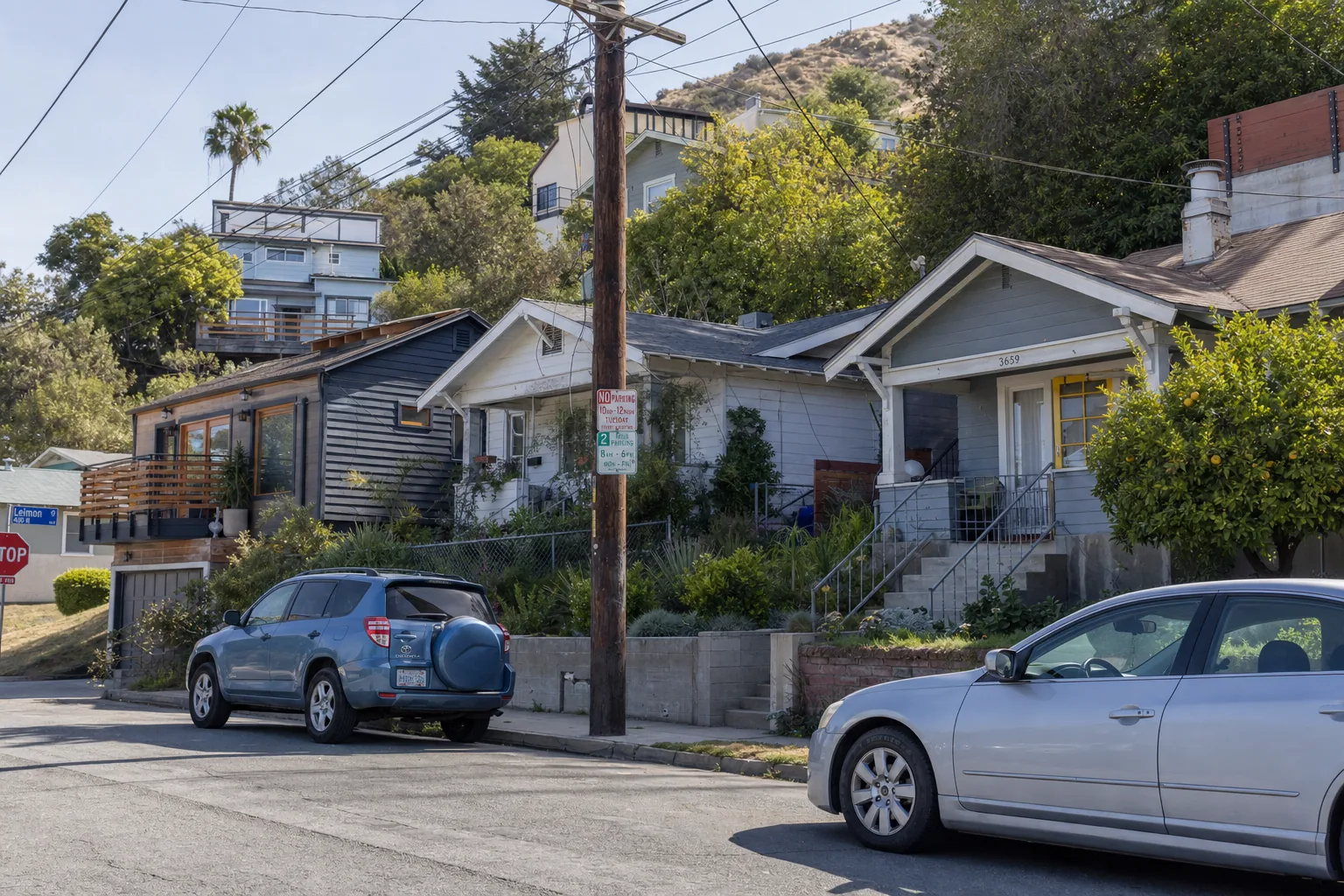
California requires business-purpose lenders to maintain proper state licensing through DFPI or DRE oversight. Los Angeles borrowers must confirm these credentials before signing loan agreements to ensure their chosen lender operates legally and can fulfill funding commitments.
NMLS Consumer Access provides the primary verification tool through searchable records for licensed lenders operating in California. Enter the lender's business name or NMLS ID number to review license status, authorized activities, and any regulatory actions. Confirm the license covers business-purpose lending in California, not just consumer mortgages or other financial services.
Some lenders operate under California Financing Law licenses through DFPI, while others hold DRE broker licenses for real-property-secured transactions. Both licensing paths allow business-purpose lending but involve different regulatory oversight structures. Multi-state lenders must show valid California licensing regardless of their primary jurisdiction.
Verify that marketing materials match the licensed entity name in NMLS records. Companies sometimes market under different business names while holding licenses under their legal corporate names. This verification prevents confusion about which entity actually provides the loan and holds regulatory accountability.
Review lender websites and documents to confirm they acknowledge California licensing requirements. Licensed lenders typically display their NMLS ID prominently and reference their regulatory status. Companies avoiding licensing discussions or providing vague authorization answers may lack proper credentials.
Contact DFPI at dfpi.ca.gov or DRE at dre.ca.gov directly if NMLS records appear incomplete or you need clarification about a lender's California status.
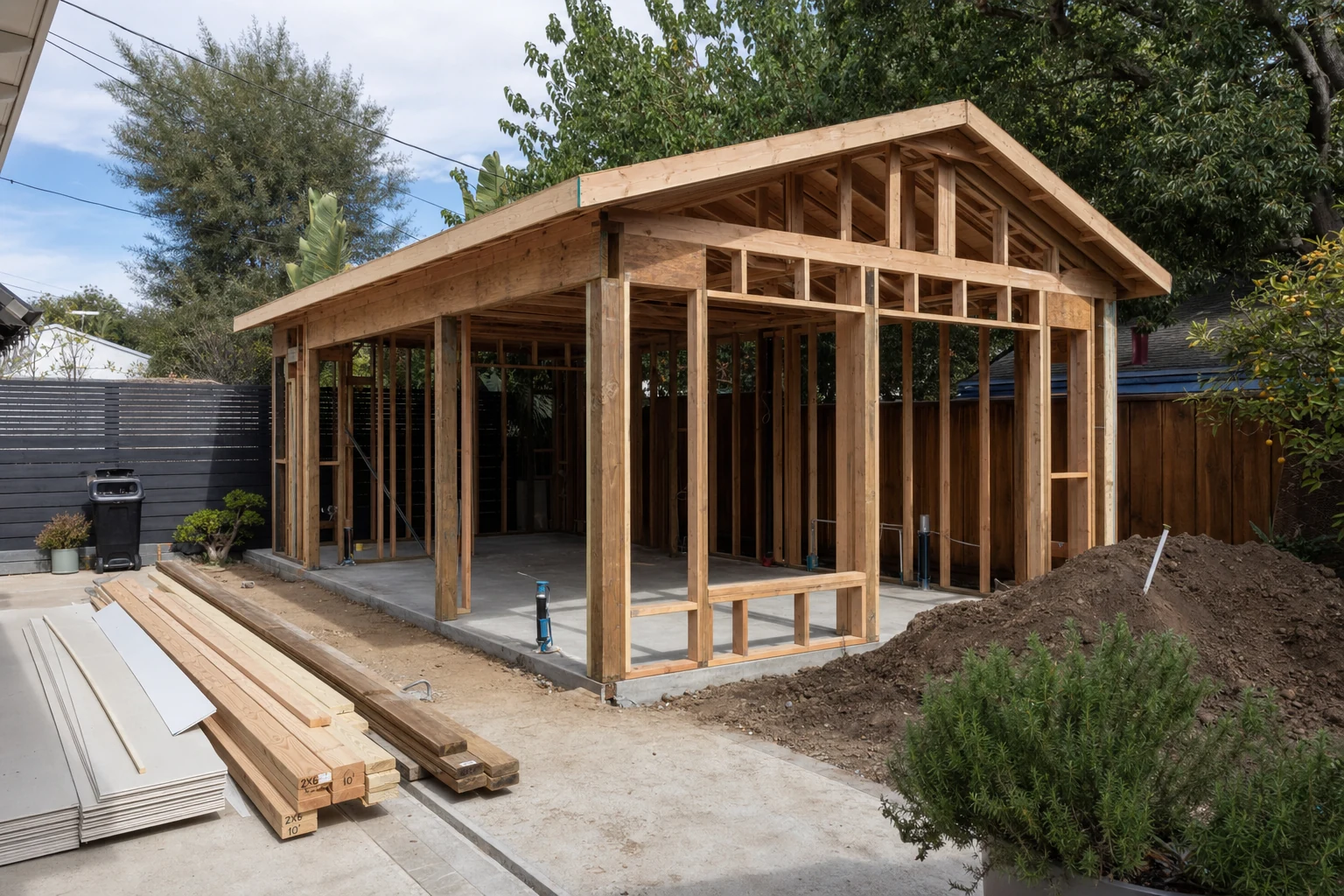
ADU projects attract hard money financing because conventional lenders struggle with accessory dwelling units that don't fit standard residential mortgage guidelines. California's streamlined ADU laws allow property owners to add rental units in most single-family zones, creating income opportunities that private lenders understand and support.
Lenders evaluate ADU projects differently than standard fix-and-flip loans, reviewing construction budgets, contractor experience, permit timelines, and projected rental income. Some structure ADU loans as construction-to-permanent products with milestone-based draws. Others prefer bridge loans covering construction periods before refinancing into permanent financing.
Project specifics matter significantly. Detached ADUs, garage conversions, and basement conversions involve different costs and timeline assumptions that lenders consider. Before approaching lenders, confirm your project meets Los Angeles building requirements and obtain preliminary contractor estimates from professionals familiar with California ADU regulations.
Most LA hard money lenders prefer experienced contractors with proper licensing and insurance coverage. They want borrowers who understand local permit processes, construction timelines, and rental market conditions. Your exit strategy might involve permanent financing based on completed ADU income or sale to an investor seeking rental property. Demonstrate realistic rental projections based on comparable properties in your neighborhood. Strong borrowers present complete packages with architectural plans, contractor bids, permit status, and market analysis supporting projected values and rental income.
Hard money lenders evaluate local market conditions rather than maintaining preferred neighborhood lists. They focus on areas with consistent property values, reasonable resale timelines, and sufficient comparable sales data supporting their valuation process. However, certain characteristics make neighborhoods more attractive to private lenders throughout Los Angeles County.
Established neighborhoods with consistent sales activity provide reliable comparable data for property valuations. Areas experiencing gentrification or revitalization attract lenders because renovation projects can capture significant value appreciation. Neighborhoods with strong rental demand appeal to lenders financing income-producing properties or borrowers planning rental exit strategies.
Experienced lenders with Los Angeles County knowledge understand submarket dynamics, local construction costs, permit timelines, and buyer preferences affecting exit strategies. Some specialize in higher-priced areas supporting larger loan amounts, while others prefer emerging neighborhoods with renovation potential and value-add opportunities.
Focus on lenders demonstrating LA County experience through marketing materials, completed loan examples, or borrower testimonials rather than assuming neighborhood preferences. The critical factor is whether your target property fits the lender's loan-to-value limits and whether comparable sales support your projected after-repair value. Present strong market analysis showing recent sales, days on market, and price trends. Successful borrowers match their neighborhood selection with lenders experienced in similar submarkets and property types.
Timeline claims typically range from 7 to 30 days, but high-value properties often require more thorough due diligence extending beyond advertised ranges. Properties above $1 million may need full appraisals rather than broker price opinions, especially when lenders require detailed comparable sales analysis or renovation cost estimates.
Your preparation significantly affects timeline. Complete applications with financial statements, purchase contracts, renovation budgets, contractor estimates, and exit strategy documentation help lenders move faster. Incomplete applications or complex properties can extend the process to 45 days or longer.
Market conditions influence speed through appraiser availability, title company scheduling, and lender capacity constraints. Some LA hard money lenders maintain preferred vendor relationships expediting appraisals and title work, but external factors remain beyond their control. High-value transactions require proportionally more underwriting review than simpler deals.
Complex properties present additional challenges. Unique architectural features, environmental concerns, or legal issues require specialized review extending timelines. Properties requiring extensive renovation or construction draws need detailed contractor vetting and draw schedule coordination. Multi-unit properties involve income analysis and occupancy verification that single-family rehabs avoid.
Competitive markets create urgency that experienced lenders understand. Successful high-value investors cultivate relationships with lenders before needing financing, providing financial documentation and property information in advance. This preparation allows faster response when opportunities arise. Focus on lenders with demonstrated high-value experience and proven ability to close complex transactions within your required timeframe.
No. HardMoneySearch.com is an informational directory, not a lender, broker, underwriter, or loan approval service. The site is meant to help real estate investors understand common hard money lending terms, compare publicly available lender information, and find verification resources. It does not recommend any lender or decide whether a loan is suitable for your situation. Before entering any loan agreement, review written terms carefully, ask the lender direct questions about licensing and fees, and consult qualified legal, tax, or financial professionals when needed.
An NMLS ID is an identifier connected to the Nationwide Multistate Licensing System, which tracks many mortgage companies and loan professionals. Some hard money and private money lenders display an NMLS ID, especially when they make loans that fall under mortgage licensing rules. Business-purpose investment-property lending is not regulated the same way in every state, so an absent NMLS number is not automatically a red flag. When an NMLS ID is available, use NMLS Consumer Access to confirm the company name and license status. When it is not available, verify the lender through its state regulator where applicable, business registration, reviews, written terms, and direct questions to the lender.
No. Any rates, points, LTV limits, ARV limits, fees, or closing timelines shown on HardMoneySearch.com are informational only when sourced. They are not quotes, guarantees, commitments to lend, or financial advice. Actual loan terms vary by lender, borrower qualifications, property type, leverage, location, documentation, valuation, title, and underwriting review. A borrower comparing lenders should request written terms, ask which fees are due upfront, confirm whether rates or points can change before closing, and compare total cost rather than relying only on a headline rate. Verify lender licensing, written terms, and any state-specific requirements before relying on a quote or proposal.
Many hard money lenders offer fix-and-flip financing, but qualification depends on the borrower, the property, and the lender's underwriting rules. A lender may review the purchase price, rehab budget, estimated after-repair value, borrower experience, liquidity, credit profile, contractor plan, timeline, and exit strategy. Ask how draws are released, whether inspections are required, how interest is calculated, and what happens if the project takes longer than expected. Hard money can be useful for some investment projects, but it is typically more expensive than conventional financing and should be reviewed carefully before signing. Verify lender licensing, written terms, and any state-specific requirements before relying on a quote or proposal.
Start by confirming that the company has a professional website, a reachable phone number, a physical or service-area presence, and consistent business information across public sources. If the lender lists an NMLS ID or state license, verify it through NMLS Consumer Access or the relevant state regulator. In states where business-purpose investor lending does not generally require a mortgage license, ask the lender directly what authority it operates under and whether it brokers loans or lends its own capital. Review Google feedback, written loan terms, fees, draw schedules, default provisions, and payoff requirements before moving forward.
Focus on gathering complete documentation for your Los Angeles property project and preparing realistic renovation budgets that reflect local market costs. Contact multiple lenders with LA County experience to understand your financing options and timeline expectations for your specific property type and investment strategy.
Additional resources: Los Angeles hard money lenders, hard money lender directory, how to choose a lender, NMLS Consumer Access, California Department of Financial Protection and Innovation
HardMoneySearch forwards your inquiry to lenders in its network. We do not guarantee a response, placement, or specific lender match. Contact multiple lenders independently to compare terms.
Request lender information