Yieldi
Atlanta, GA
bridgecommercial
- Trust Label
- Verified Business
- Reviews
- 3.5 composite
- States
- GA
- Close Time
- Ask lender
Atlanta, GA
Atlanta, GA
Atlanta, GA
Atlanta, GA
Atlanta, GA
Atlanta, GA
Atlanta, GA
Atlanta, GA
Atlanta, GA
Atlanta, GA
Atlanta, GA
Atlanta, GA
Atlanta, GA
Atlanta, GA
Atlanta, GA
Atlanta, GA
Atlanta, GA
Atlanta, GA
Atlanta, GA
Atlanta, GA
Atlanta, GA
Atlanta, GA
Atlanta, GA
HardMoneySearch.com is an informational directory. We are not a lender. Listings do not constitute endorsements. Verify all lender credentials via NMLS Consumer Access before entering any loan agreement.
Atlanta's hard money market divides between intown renovation projects and suburban rental investments. BeltLine proximity drives significant fix-and-flip activity in Grove Park, Bankhead, and East Atlanta Village, where investors target below-market properties for quick renovation and resale.
Suburban markets serve different investor needs. Marietta, Decatur, and Alpharetta attract buy-and-hold investors seeking workforce rental properties. These areas offer stable rental demand and established neighborhoods that support long-term investment strategies.
Property types vary dramatically across Atlanta zip codes, creating distinct lending requirements. Intown conversions may involve foundation work and major systems updates. Suburban rentals typically need cosmetic improvements and tenant preparation.
Local lenders understand Atlanta's neighborhood dynamics, permit processes, and realistic renovation costs. National lenders may apply broader regional criteria that miss Atlanta-specific market conditions. This local expertise affects approval speed and construction draw management for renovation projects.
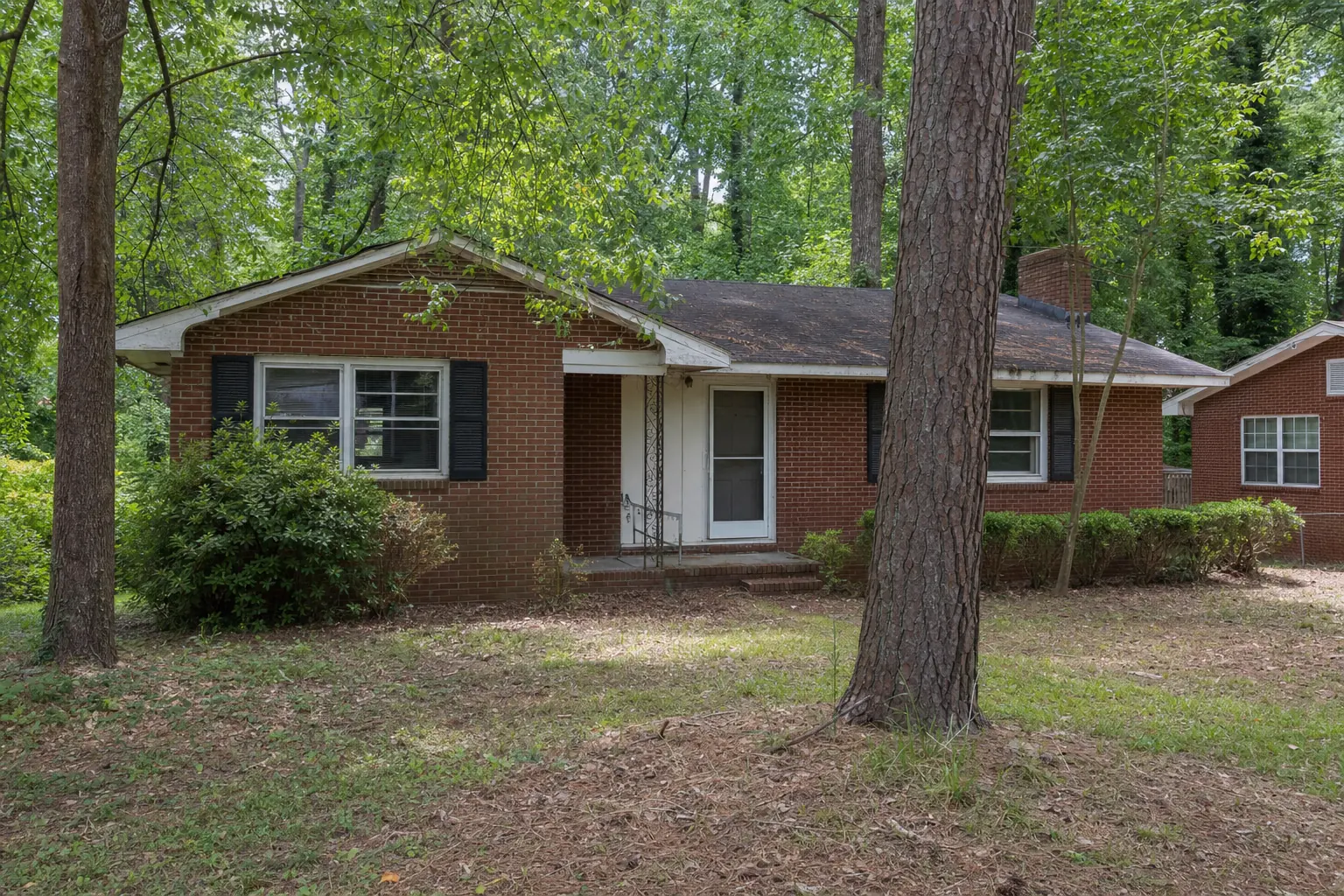
Real estate investors across Atlanta's market use hard money loans when speed, flexible underwriting, or specialized financing structures match their investment strategies.
Fix-and-flip investors drive Atlanta's hard money activity, especially in revitalizing neighborhoods like Grove Park, Bankhead, and Grant Park. These borrowers purchase distressed properties, renovate within 6-12 months, then sell for profit. They need lenders who understand renovation budgets, after-repair values, and construction draw schedules. Success depends on accurate ARV projections and realistic renovation timelines.
Small multifamily conversion investors represent a growing segment. These borrowers convert single-family homes into duplexes or add accessory dwelling units where zoning permits. Projects require lenders comfortable with complex construction draws, permit delays, and extended renovation periods. Conversion projects often take 12-18 months versus 6-12 months for standard renovations.
Suburban rental property investors in Marietta, Decatur, and Alpharetta use hard money for quick acquisitions before transitioning to permanent financing. They target single-family homes and small multifamily properties in established neighborhoods with strong rental demand. Speed matters in competitive markets where cash offers win contracts.
Portfolio expansion investors use hard money as bridge financing while organizing permanent debt-service coverage ratio loans. These borrowers acquire multiple rental properties quickly, then refinance into long-term financing once properties are stabilized with tenants and rental income documentation.
Atlanta hard money lenders evaluate property value, renovation scope, and market position rather than traditional income verification. They assess whether borrowers understand neighborhood dynamics, since renovation costs and timelines differ significantly between East Atlanta Village projects and Alpharetta suburban properties.
Renovation expertise receives close scrutiny for fix-and-flip projects. Lenders examine contractor relationships, realistic budgets, and completion timelines before approving construction draws. They evaluate whether borrowers can manage permit processes and renovation oversight in neighborhoods where delays may affect project schedules.
Small multifamily conversions require specialized underwriting that many lenders avoid. Those handling conversions examine zoning compliance, unit configuration costs, and rental projections. They assess whether proposed layouts align with neighborhood patterns and whether budgets account for Atlanta's inspection requirements.
After-repair value accuracy determines credit limits and project viability. Lenders compare comparable sales data, neighborhood improvement trends, and realistic market positioning. BeltLine proximity, school districts, and transit access affect valuations differently across Atlanta's diverse neighborhoods.
Exit strategy clarity influences loan structuring and terms. Fix-and-flip investors need different loan periods than buy-and-hold investors planning permanent refinancing. Lenders structure terms based on whether borrowers plan quick resale, rental stabilization, or portfolio financing transitions.
Market knowledge separates experienced Atlanta lenders from those extending geographic reach. Local lenders understand revitalization timing, construction costs, and buyer preferences that affect project success.
Rates, points, loan-to-value limits, ARV limits, fees, and days-to-close are informational ranges only when sourced. They are not guarantees, quotes, commitments to lend, or financial advice. Actual terms vary by lender, borrower qualifications, property type, leverage, location, and underwriting review. Atlanta hard money loan pricing varies based on lender underwriting, borrower experience, property type, and location. Rates commonly range from 8% to 15% annually, though specific terms depend on transaction risk assessment and lender competition. This figure is illustrative only, not a quote or guarantee. Intown renovation projects may carry different pricing than suburban rental acquisitions. Points typically fall between 2% and 5% of loan amount as origination fees. This figure is illustrative only, not a quote or guarantee. Fix-and-flip projects in revitalizing neighborhoods often command different pricing structures than stabilized rental properties. Construction projects with draw schedules may involve additional fees for inspection and fund release management. Loan-to-value ratios frequently range from 65% to 80% for purchase transactions. This figure is illustrative only, not a quote or guarantee. After-repair value calculations affect credit on renovation projects, while rental acquisition loans may focus on projected cash flow rather than current property condition. Ground-up construction typically involves progressive funding tied to completion milestones. Total borrowing costs extend beyond interest and points. Appraisal fees range from $400 to $800 depending on property complexity. Legal costs, title insurance, and inspection fees add transaction expenses. Some lenders charge monthly servicing fees or require interest reserves held at closing. Closing timelines vary from 7 to 30 days depending on documentation completeness and property complexity. Atlanta's competitive investment market rewards speed, but realistic timing depends on appraisal scheduling, title review, and required property inspections for renovation projects.
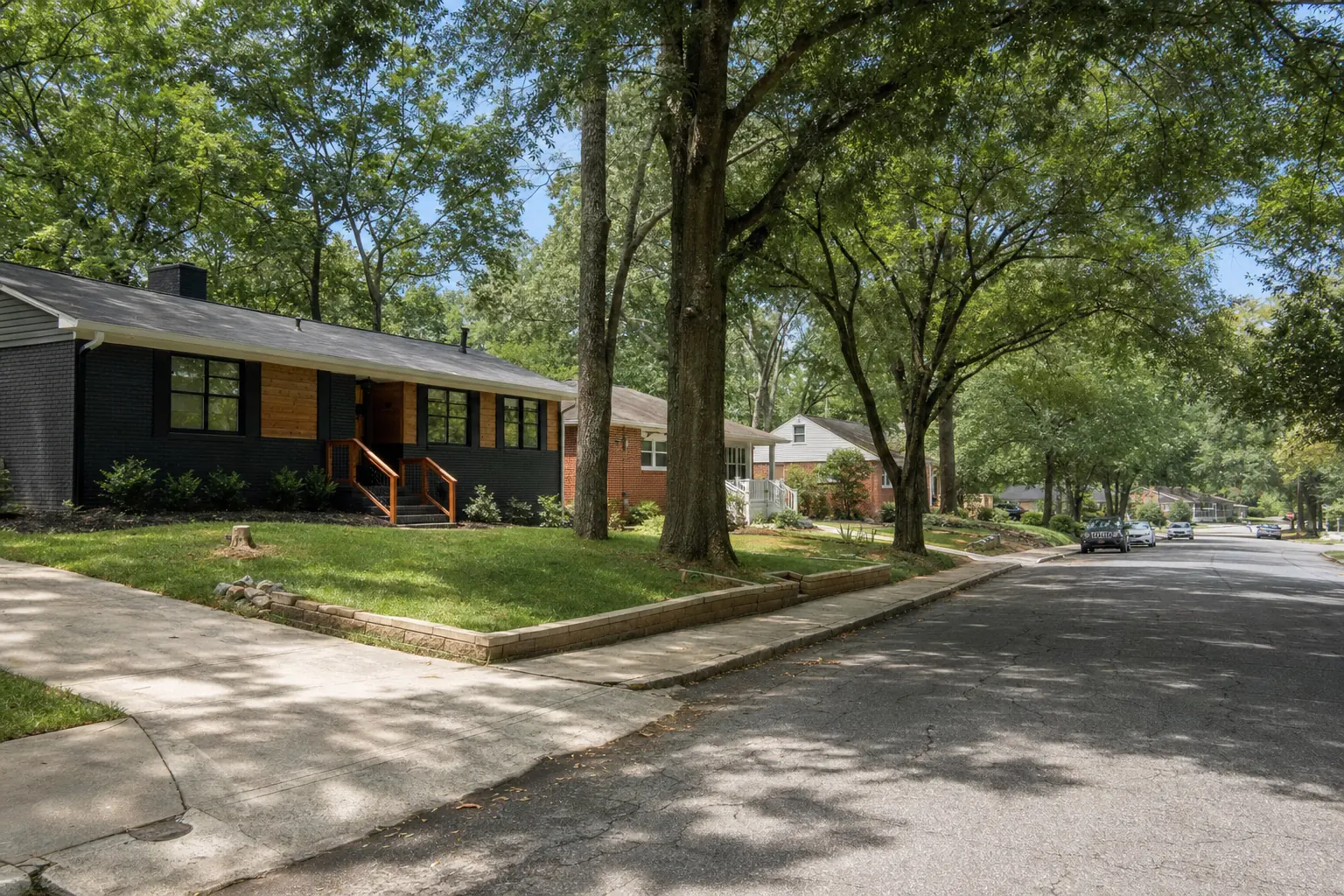
Georgia requires specific licensing for hard money lenders depending on transaction structure and borrower type. Many Atlanta hard money lenders need Georgia residential mortgage licenses when lending to natural persons using 1-to-4 family residential properties as collateral. Business entity borrowers and commercial transactions may face different regulatory requirements.
Use NMLS Consumer Access at nmlsconsumeraccess.org to verify lender credentials. Enter the lender's NMLS ID to confirm license status, regulatory history, and authorized activities. Georgia mortgage licensees appear in this database with current standing and approved business activities.
Check the Georgia Department of Banking and Finance website at dbf.georgia.gov for additional verification resources. The department regulates mortgage brokers and lenders under the Georgia Residential Mortgage Act. Their online directories provide current license information for entities conducting residential mortgage business.
Ask specific questions about transaction classification since Georgia's conditional licensing affects different borrower types. Natural person investors often trigger residential mortgage licensing requirements, while business entity borrowers may fall under different regulations. Request confirmation that your lender holds appropriate licenses for your borrower status and property type.
Contact the Georgia Department of Banking and Finance directly at 404-417-4894 with specific licensing questions. Their mortgage division clarifies whether particular lenders should hold Georgia residential mortgage authorization for your transaction structure. They can verify license requirements based on your specific circumstances.
Beyond licensing verification, examine lender track records through online reviews, Better Business Bureau ratings, and references from past borrowers. Established Atlanta lenders should provide references from recent transactions in your target neighborhoods and property types.
Grove Park and Bankhead offer optimal conditions for fix-and-flip investors: BeltLine proximity, lower entry costs, and strong revitalization momentum. These neighborhoods provide properties 20-30% below comparable intown areas while benefiting from major infrastructure investment and transit expansion. The BeltLine's westside trail extension brings new residents and businesses, supporting property value appreciation.
Renovation opportunities differ from other Atlanta neighborhoods. Grove Park properties often need foundation work, electrical updates, and HVAC replacement due to housing age and previous maintenance. Bankhead offers more varied property conditions, from cosmetic updates to full renovations. Both areas require realistic budgets for major systems work and permit processing.
Market timing favors these neighborhoods because revitalization is accelerating but not complete. Early investors capture value before peak pricing while benefiting from improving amenities and safety. Successful projects typically involve 4-6 month renovation periods and target young professionals seeking affordable intown living with BeltLine access. For Atlanta borrowers, the practical next step is to confirm the property details, timeline, exit plan, and documentation before comparing lender conversations.
Atlanta hard money lenders structure construction draws to protect both borrower and lender interests during renovation projects. Most lenders advance renovation funds in 3-5 stages tied to completion milestones: initial materials purchase, rough construction completion, systems installation, finish work, and final cleanup. Each draw requires inspection verification before fund release.
Initial draws often cover 25-30% of renovation budget for materials and contractor mobilization. Subsequent draws release based on work completion percentages verified by lender inspections or third-party contractors. Lenders typically retain 10-15% of renovation funds until final completion and any required certificate of occupancy.
Draw timing affects project cash flow and contractor relationships. Most Atlanta lenders process draw requests within 3-5 business days after inspection approval. Contractors may require progress payments between draws, requiring borrowers to advance funds temporarily. Planning draw schedules with realistic completion timelines prevents delays and additional carrying costs. For Atlanta borrowers, the practical next step is to confirm the property details, timeline, exit plan, and documentation before comparing lender conversations.
DSCR loans work best for stabilized Atlanta rental properties where monthly rent covers debt service payments. These loans focus on property cash flow rather than borrower income, making them ideal for buy-and-hold investors in established areas like Decatur or Gwinnett County. DSCR loans typically offer 15-30 year terms with rates lower than hard money but require 30-45 day closing periods.
Hard money suits rental properties needing renovation, quick acquisition, or bridge financing before permanent loans. You might use hard money to purchase a distressed rental in Brookhaven, complete renovations, stabilize tenancy, then refinance to DSCR or conventional financing. Hard money provides 10-21 day closings but with higher rates and 6-24 month terms.
Property condition and timeline determine the best choice. Turnkey rentals with existing tenants fit DSCR financing because income streams are established. Vacant properties requiring updates need hard money for acquisition and renovation phases. Many investors use hard money initially, then transition to DSCR loans for long-term holding once properties generate consistent rental income.
No. HardMoneySearch.com is an informational directory, not a lender, broker, underwriter, or loan approval service. The site is meant to help real estate investors understand common hard money lending terms, compare publicly available lender information, and find verification resources. It does not recommend any lender or decide whether a loan is suitable for your situation. Before entering any loan agreement, review written terms carefully, ask the lender direct questions about licensing and fees, and consult qualified legal, tax, or financial professionals when needed.
An NMLS ID is an identifier connected to the Nationwide Multistate Licensing System, which tracks many mortgage companies and loan professionals. Some hard money and private money lenders display an NMLS ID, especially when they make loans that fall under mortgage licensing rules. Business-purpose investment-property lending is not regulated the same way in every state, so an absent NMLS number is not automatically a red flag. When an NMLS ID is available, use NMLS Consumer Access to confirm the company name and license status. When it is not available, verify the lender through its state regulator where applicable, business registration, reviews, written terms, and direct questions to the lender.
No. Any rates, points, LTV limits, ARV limits, fees, or closing timelines shown on HardMoneySearch.com are informational only when sourced. They are not quotes, guarantees, commitments to lend, or financial advice. Actual loan terms vary by lender, borrower qualifications, property type, leverage, location, documentation, valuation, title, and underwriting review. A borrower comparing lenders should request written terms, ask which fees are due upfront, confirm whether rates or points can change before closing, and compare total cost rather than relying only on a headline rate. Verify lender licensing, written terms, and any state-specific requirements before relying on a quote or proposal.
Many hard money lenders offer fix-and-flip financing, but qualification depends on the borrower, the property, and the lender's underwriting rules. A lender may review the purchase price, rehab budget, estimated after-repair value, borrower experience, liquidity, credit profile, contractor plan, timeline, and exit strategy. Ask how draws are released, whether inspections are required, how interest is calculated, and what happens if the project takes longer than expected. Hard money can be useful for some investment projects, but it is typically more expensive than conventional financing and should be reviewed carefully before signing. Verify lender licensing, written terms, and any state-specific requirements before relying on a quote or proposal.
Start by confirming that the company has a professional website, a reachable phone number, a physical or service-area presence, and consistent business information across public sources. If the lender lists an NMLS ID or state license, verify it through NMLS Consumer Access or the relevant state regulator. In states where business-purpose investor lending does not generally require a mortgage license, ask the lender directly what authority it operates under and whether it brokers loans or lends its own capital. Review Google feedback, written loan terms, fees, draw schedules, default provisions, and payoff requirements before moving forward.
Document your property details, renovation plans, and timeline before contacting lenders. Prepare recent comparable sales data for your target neighborhood and realistic after-repair value projections. Gather contractor estimates and renovation budgets to demonstrate project feasibility during lender discussions.
Contact multiple Atlanta hard money lenders to compare complete fee structures beyond advertised rates. Focus on lenders with demonstrated experience in your specific neighborhood and property type, whether intown renovations or suburban rental acquisitions.
Additional resources: Atlanta hard money lenders, hard money lender directory, how to choose a lender, NMLS Consumer Access, Georgia Department of Banking and Finance
HardMoneySearch forwards your inquiry to lenders in its network. We do not guarantee a response, placement, or specific lender match. Contact multiple lenders independently to compare terms.
Request lender information